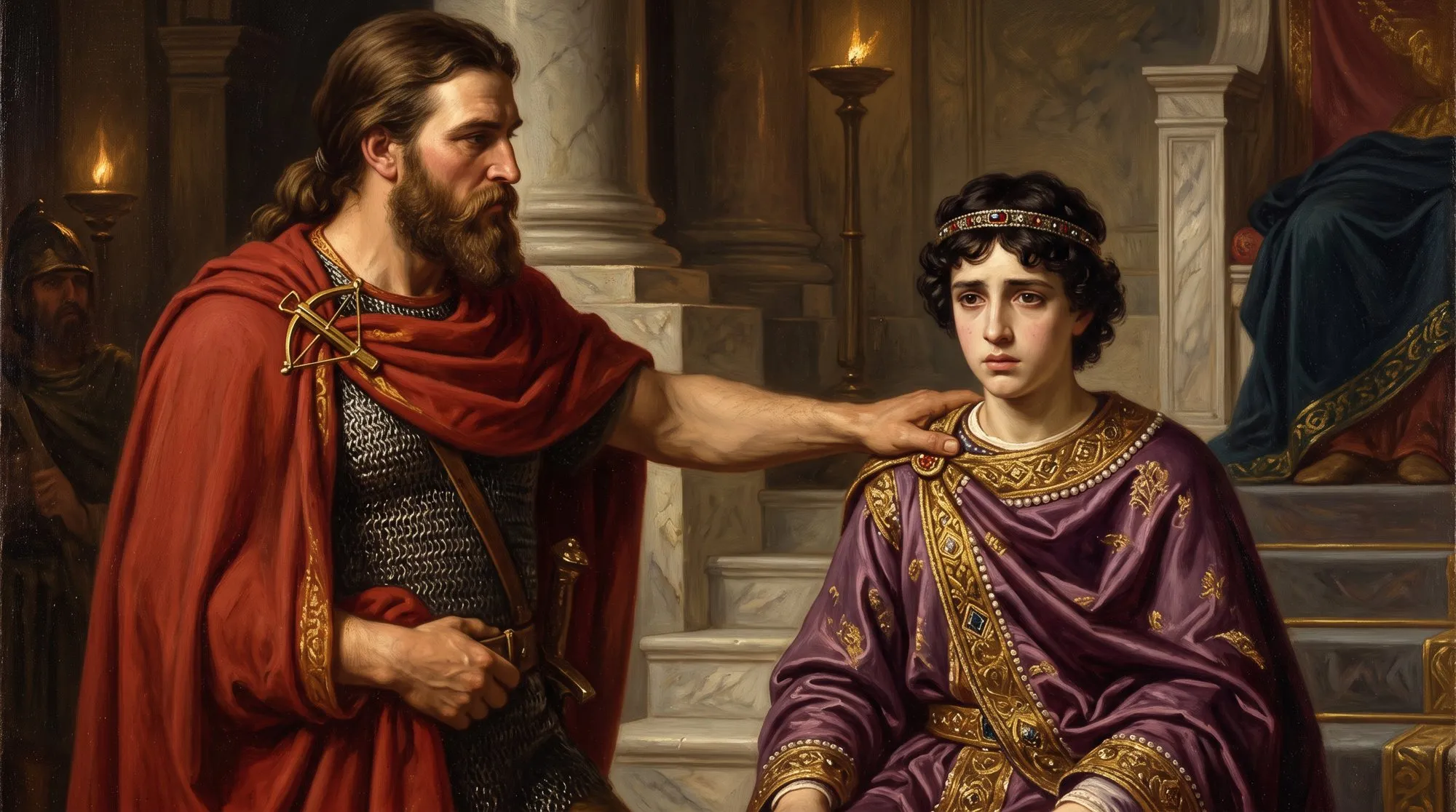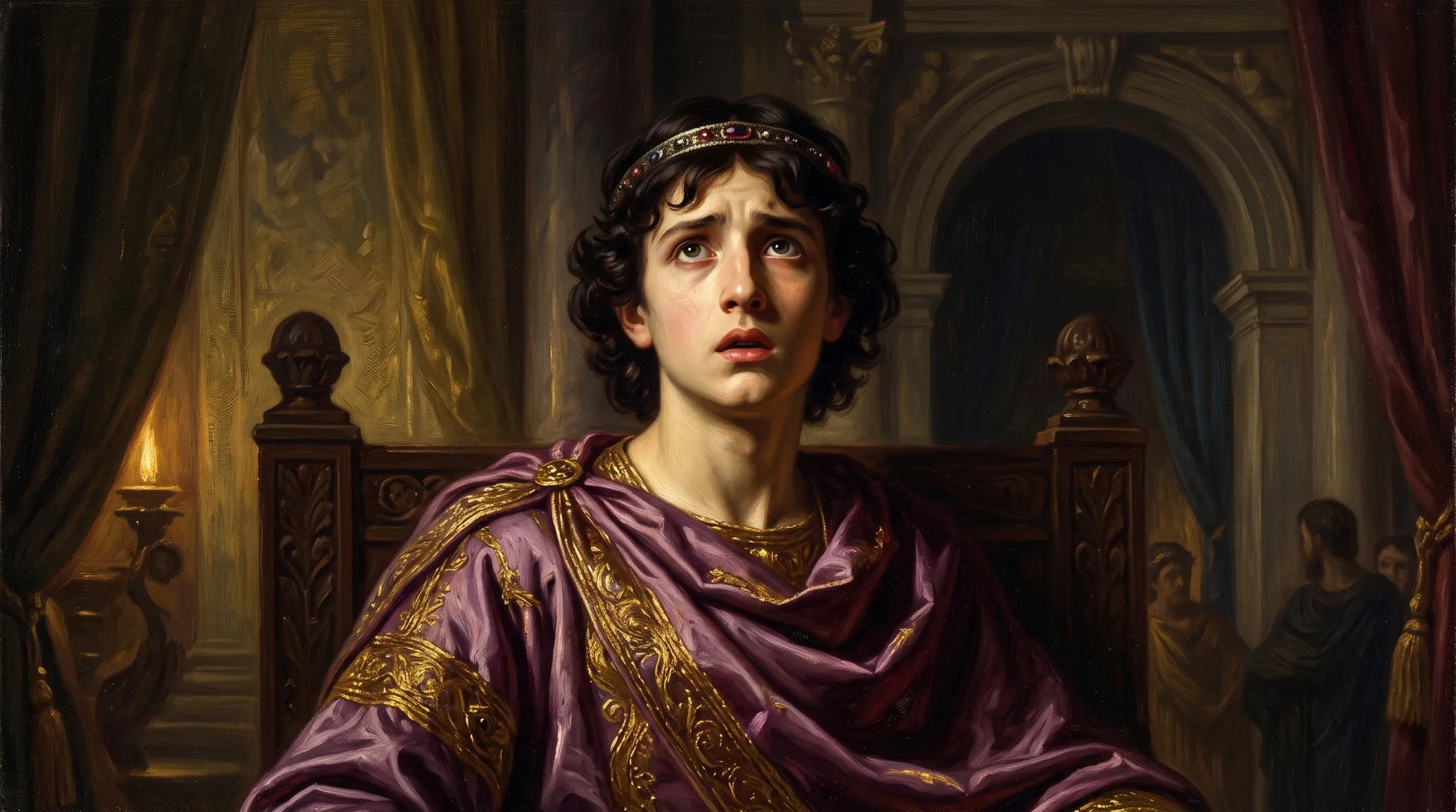
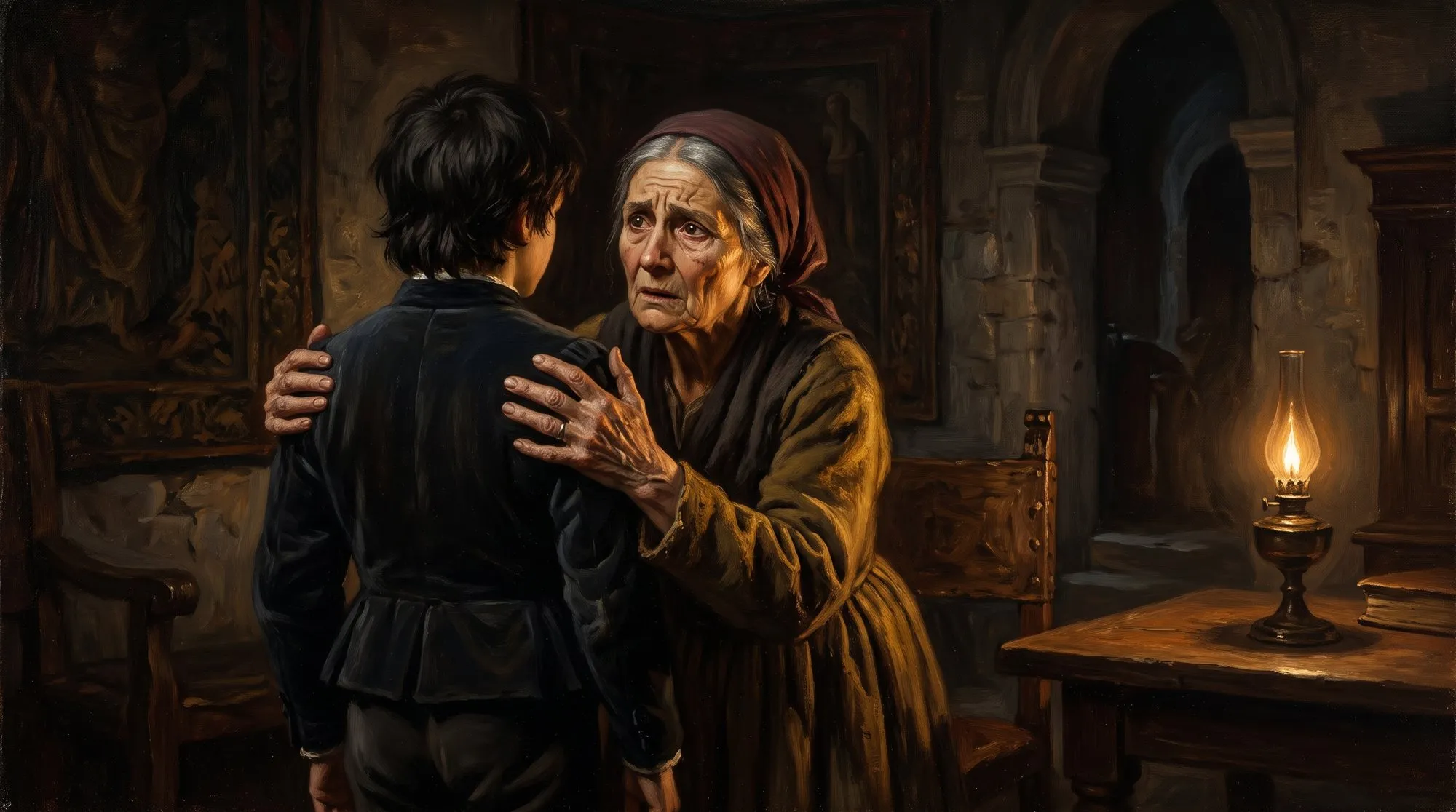
Riders at the gate of a palace in Italy. Torches. Guards whispering. Somewhere inside, a servant is looking for a boy. (Our film dramatises this night; the people in it are imagined, the events are not.)
The year is 476 AD. The boy is Romulus Augustulus, a teenager wearing the purple of the Western Roman Empire. And very soon, he won’t be emperor any more.
Most textbooks say this is the moment Rome fell. But the people living through it didn’t mark it that way. And the Roman Empire, in a very real sense, had almost another thousand years to run.
So when did the Roman Empire really fall?
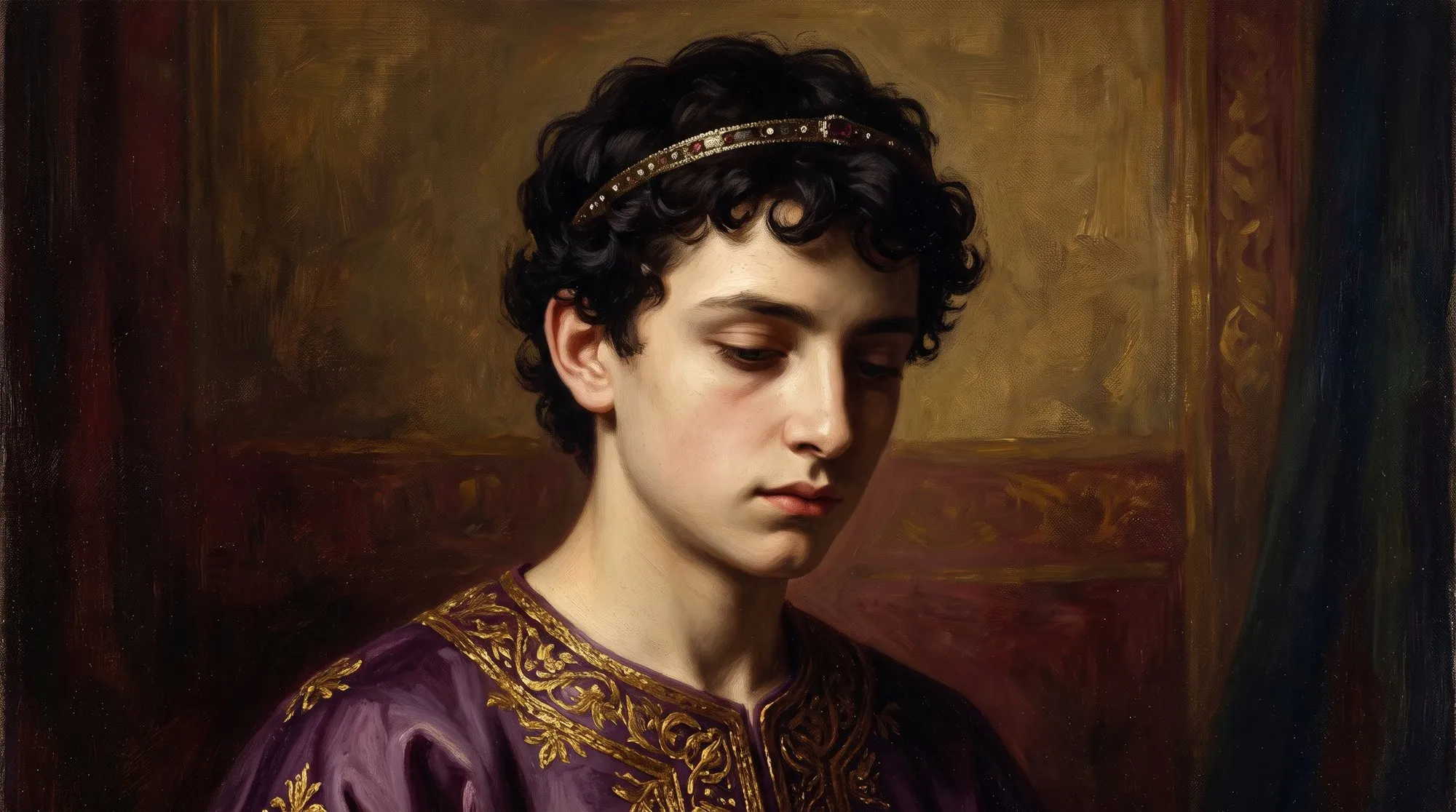
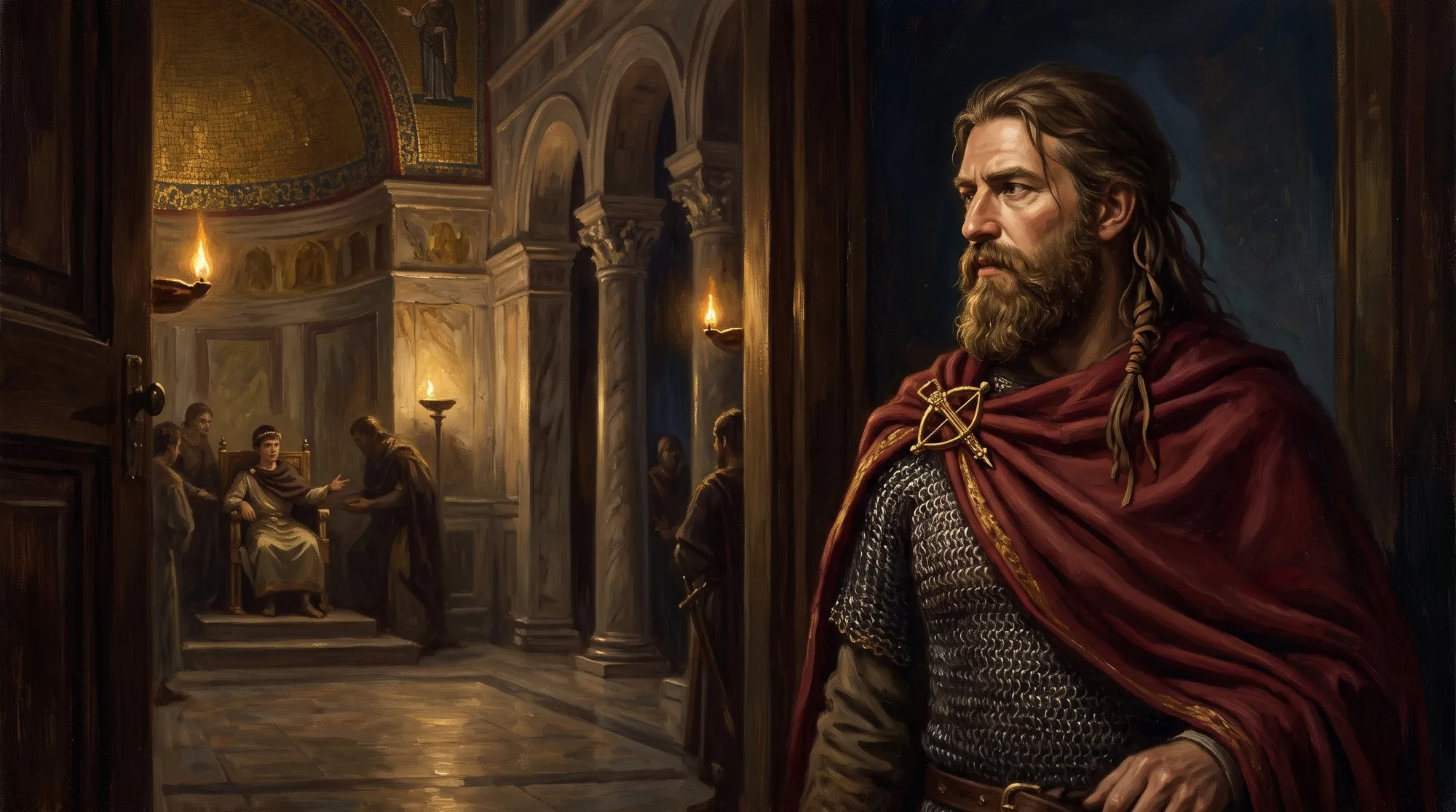 476 AD
The boy who was allowed to live
The man who removed him was an army commander named Odoacer. Rome’s history is full of emperors who were murdered. This one wasn’t.
An anonymous chronicle explains why. Odoacer looked at the boy and,
“in pity for his tender years, granted him his life.”
He even gave him an income and sent him to live with his relatives in Campania. That’s a strange way for an empire to end. Unless it didn’t.
To understand 476, we have to go back two hundred years, to the first time Rome almost broke.
Rome had broken before
Between 235 and 284, the empire lurched from one emergency to the next. More than twenty men were recognised as emperor in about fifty years. In 260, the emperor Valerian was captured by the Persian king Shapur and never came home. By 270, the empire had split into three.
And then it came back. The emperor Aurelian stitched the map together again by 274.
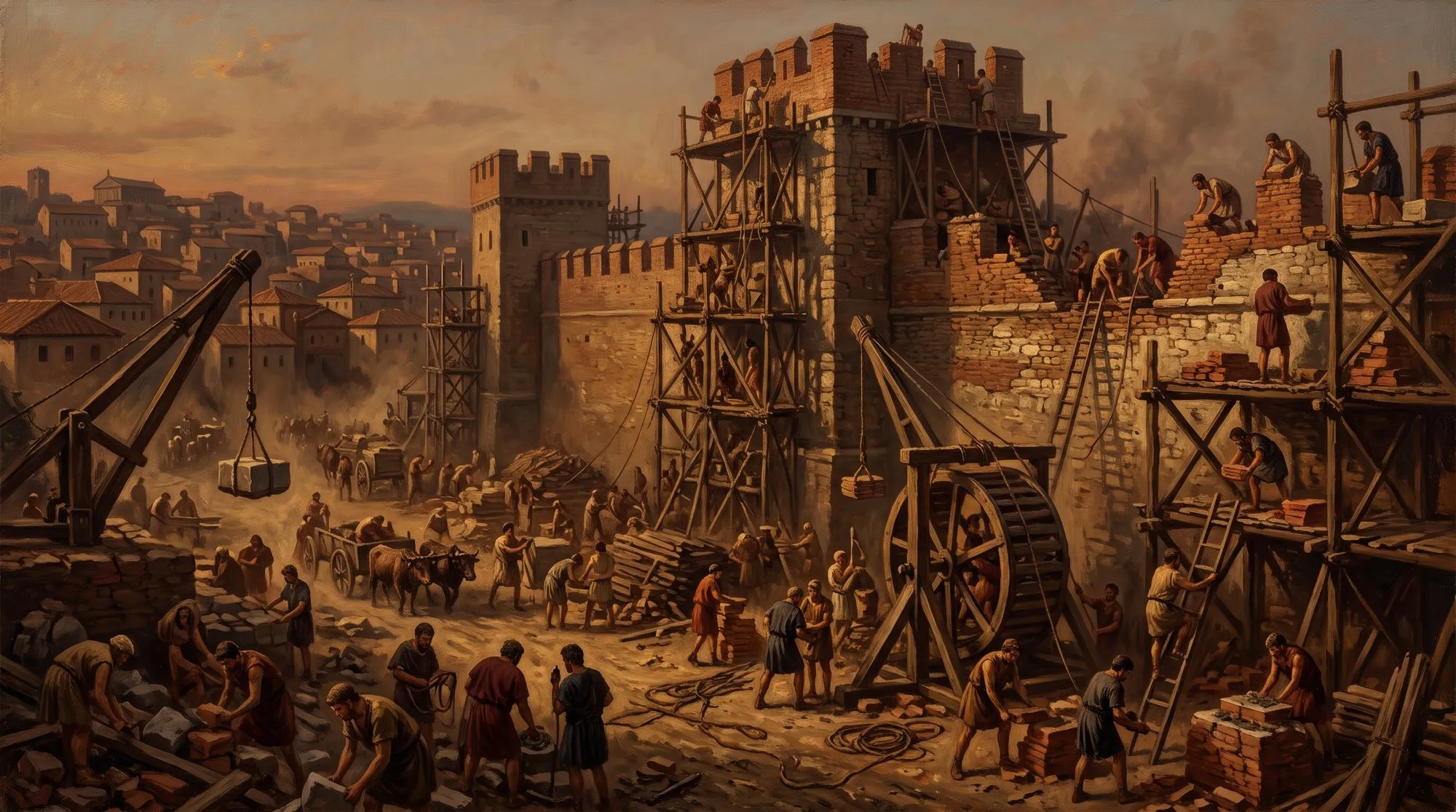 271 AD
Aurelian also did something that shows how frightened Rome had become. From 271, he built a new circuit of walls around the city of Rome itself.
Remember those walls. One of their gates matters later in this story.
One empire, two courts
In 284, a soldier named Diocletian decided the empire was too big for one ruler. By 293 there were four emperors. Later, Constantine founded a new imperial city in the East, Constantinople, inaugurated in 330.
When the emperor Theodosius died in 395, his two sons divided the government. Still one empire, on paper. But each half would now face its own enemies, and the West would face more of them.
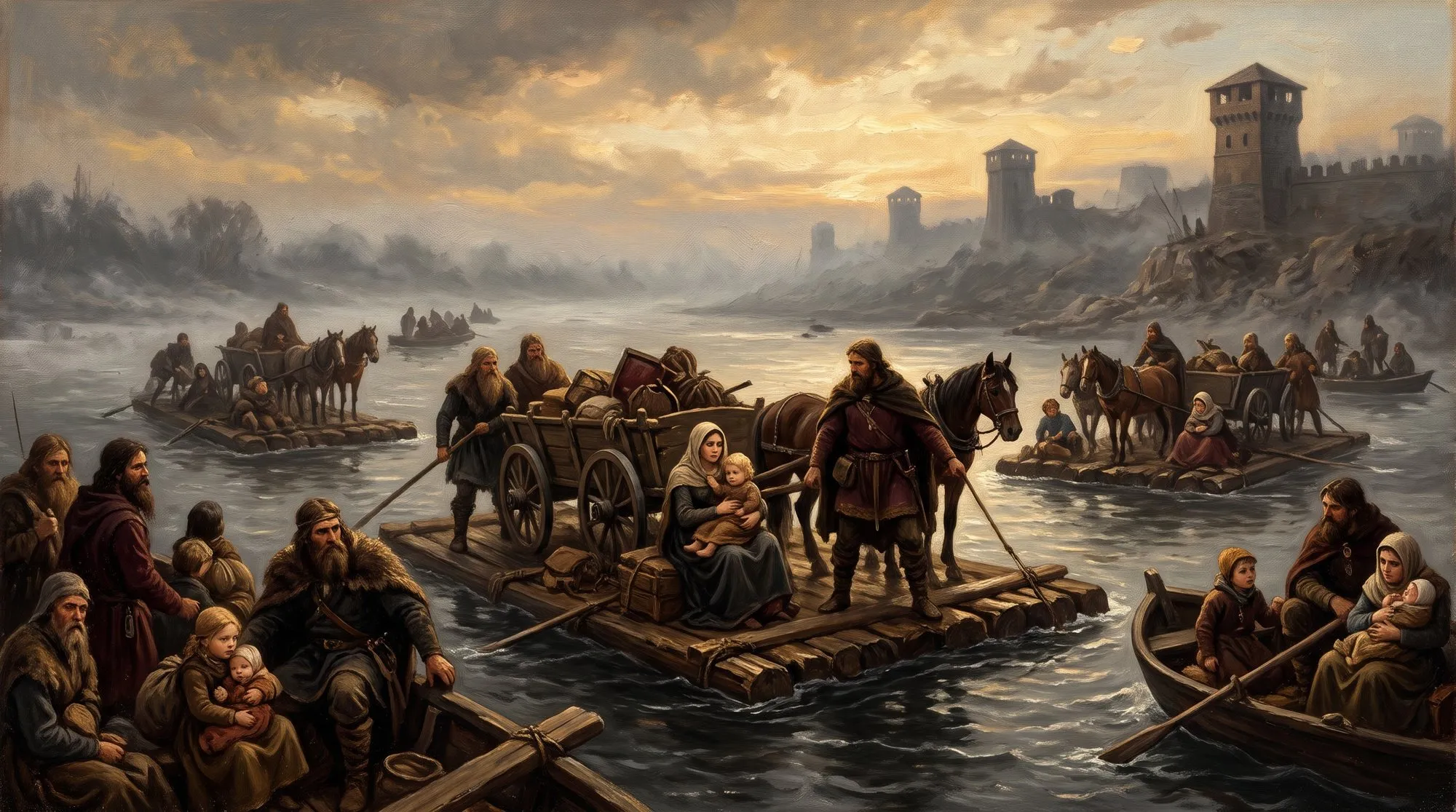 376 AD
The refugees who broke an army
In 376, a huge number of Goths arrived on the Danube frontier, fleeing a new power from the steppe: the Huns. The eastern emperor, Valens, let many of them cross.
Then the Roman officers in charge exploited them. The historian Ammianus Marcellinus says they traded dogs for slaves. One dog, one human being.
The Goths rebelled. On 9 August 378, near Adrianople, Valens attacked them after a march in the summer heat. It was a catastrophe.
⅓
“Barely a third part of our army escaped.” Valens himself was killed, and his body was never found.
Ammianus Marcellinus, Res Gestae 31
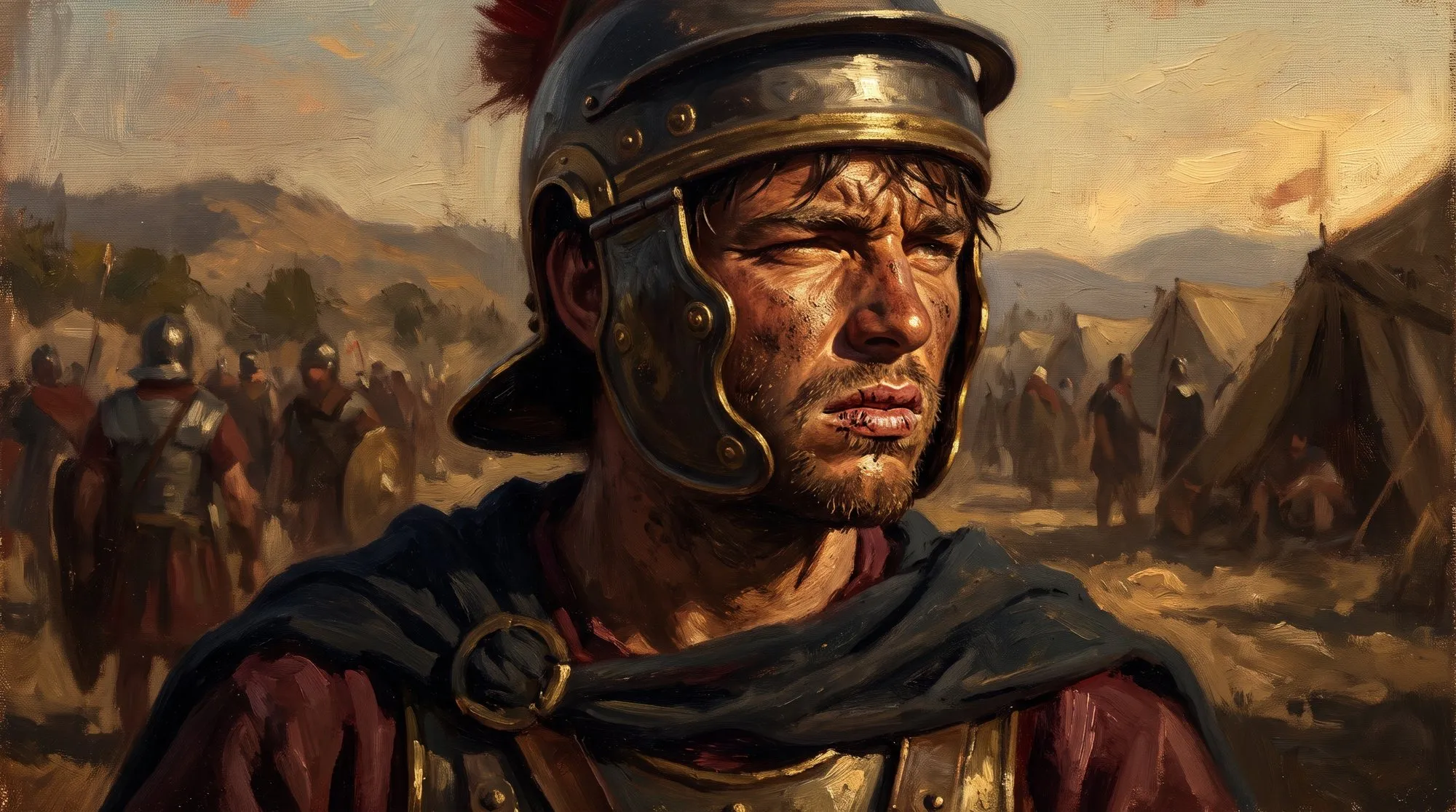
A march since dawn, in summer heat.
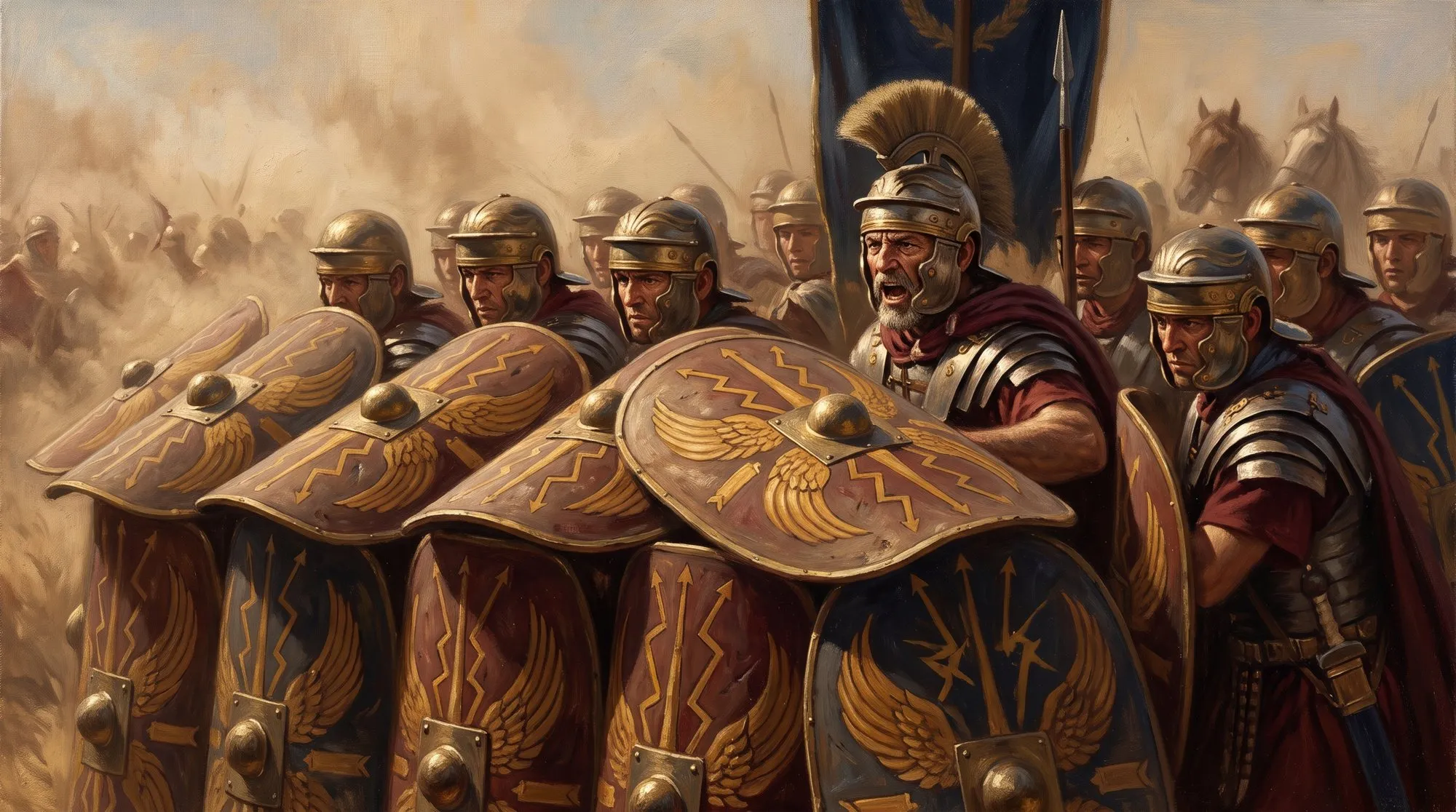
Then cavalry on the flank.
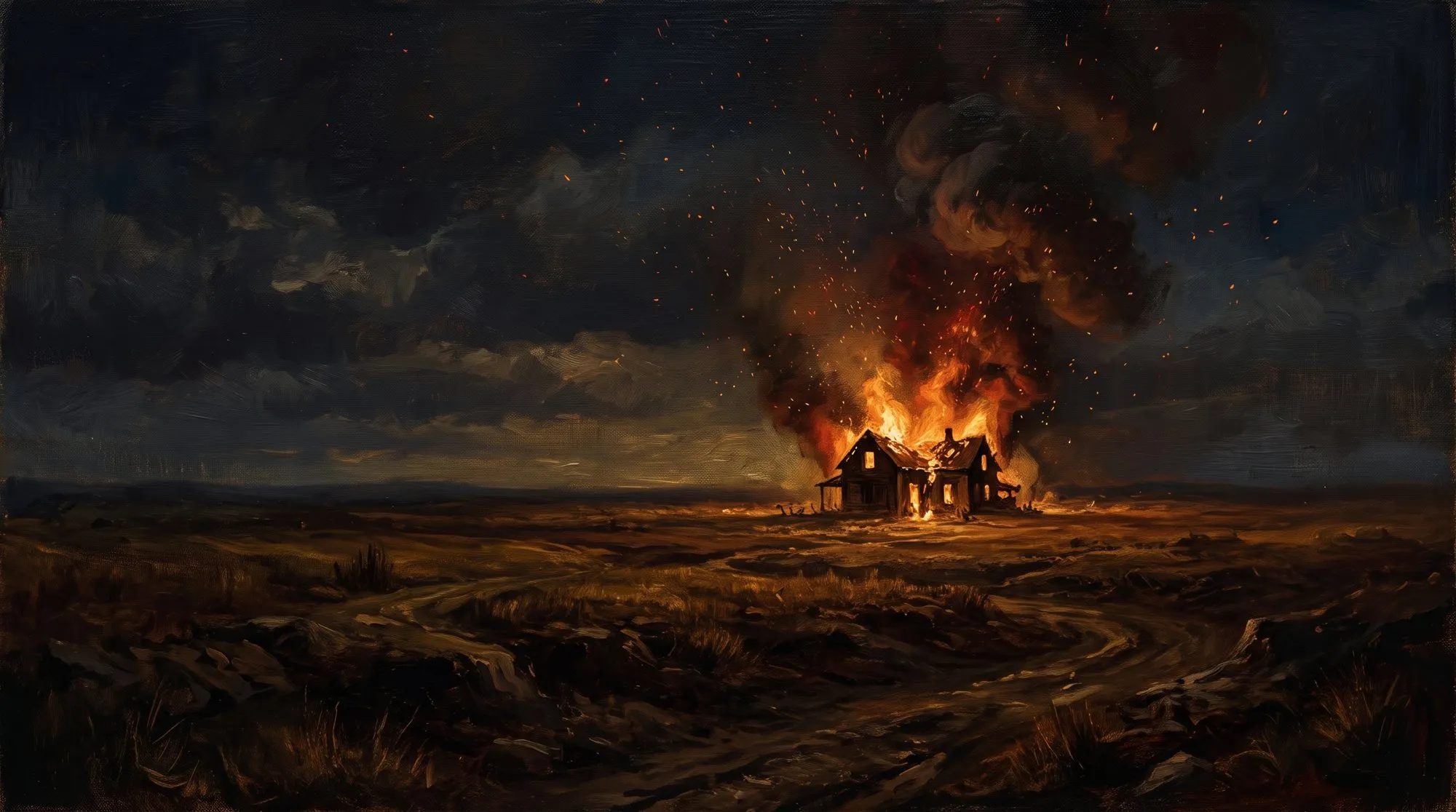
One story says Valens died in a burning farmhouse.
But Adrianople was only the start. Thirty-two years later, the unthinkable happened.
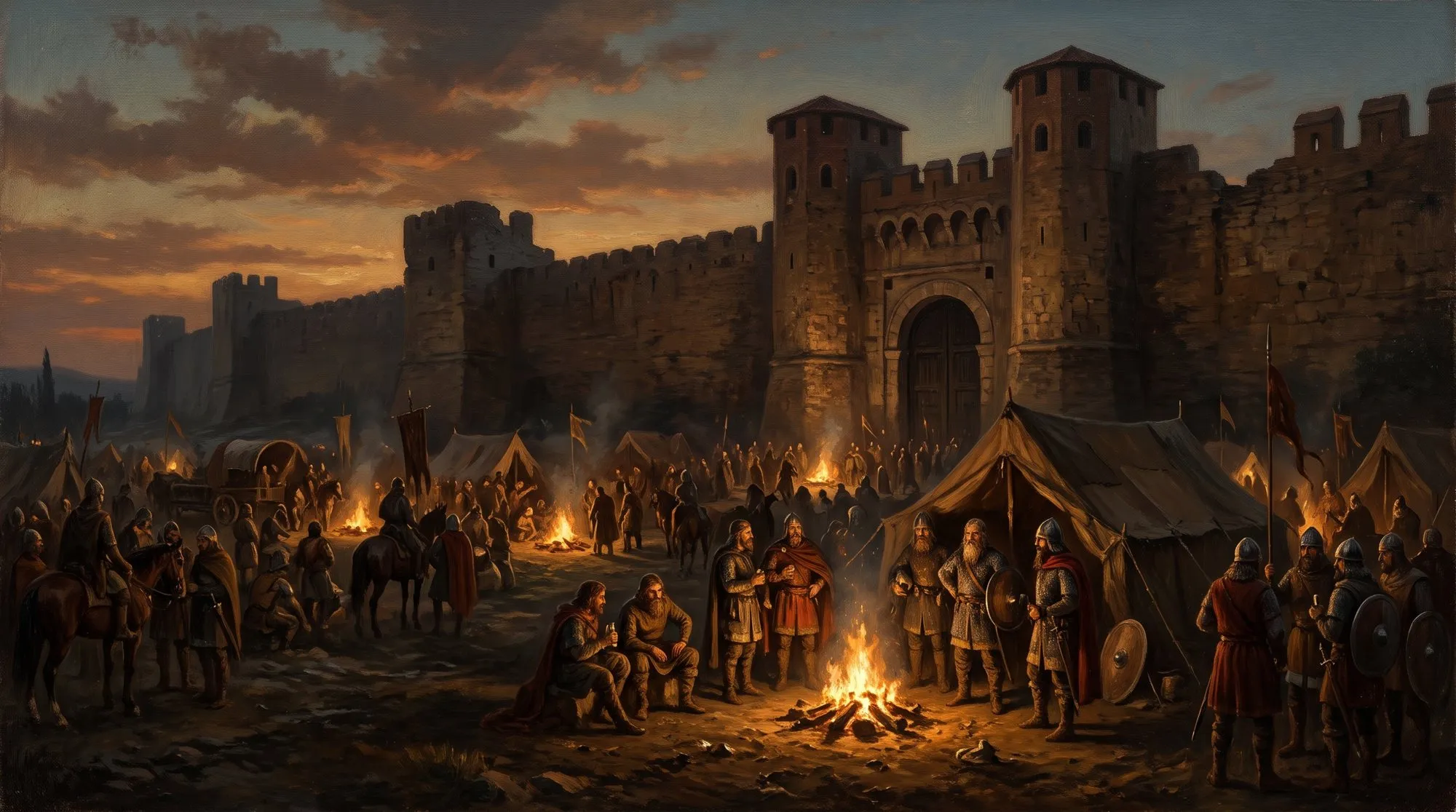 24 August 410
410: Rome is taken
A Gothic leader named Alaric had spent years trying to win a place inside the empire. When the western court kept saying no, he blockaded Rome and took a ransom that included three thousand pounds of pepper.
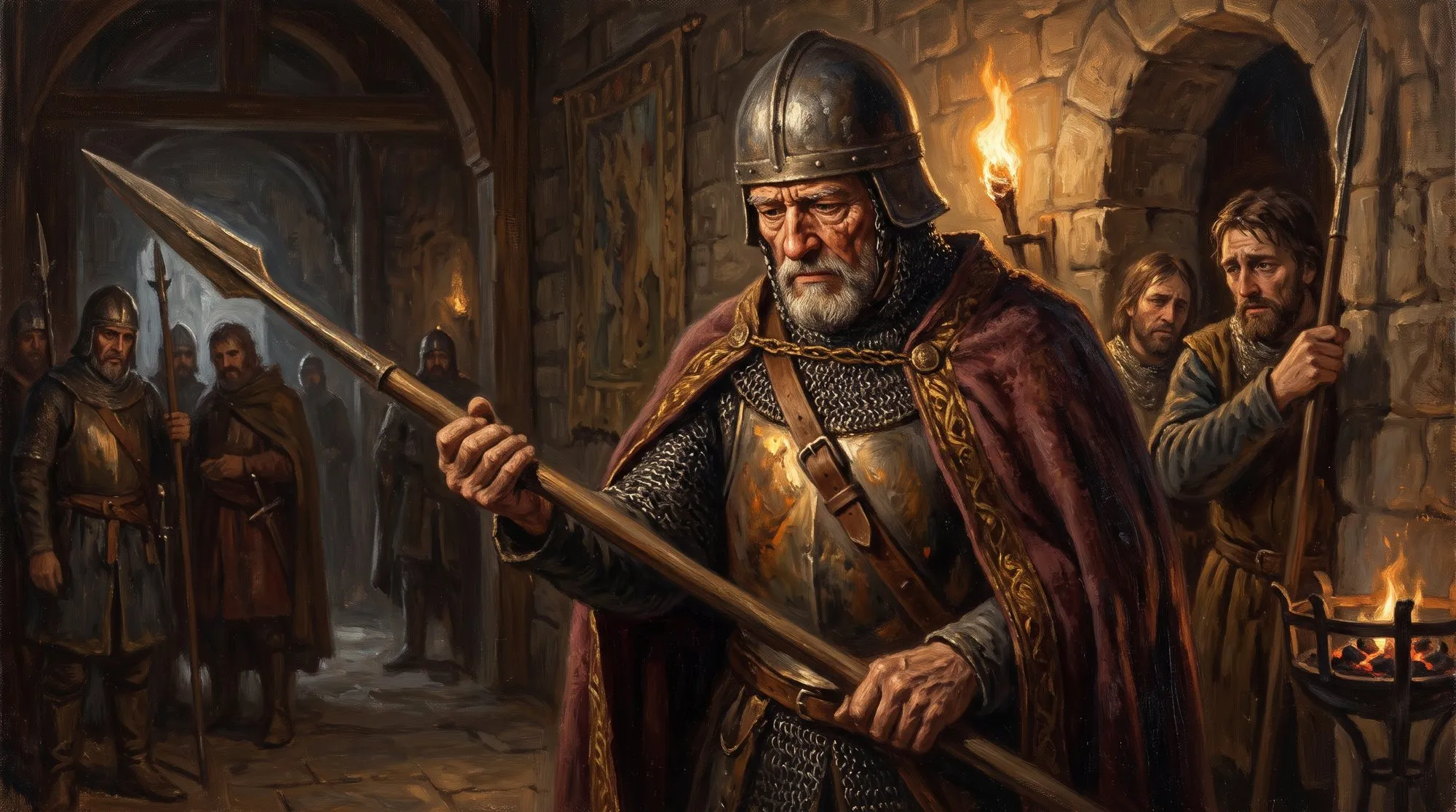
The promises made to him were never kept. So on 24 August 410, his men entered Rome through the Salarian Gate, a gate in Aurelian’s walls. How it was opened, the sources disagree.
For three days, they plundered the city.
The City which had taken the whole world was itself taken.
And in Ravenna, the emperor Honorius heard that “Rome had perished”, and, if one famous story is true, his first thought was about his pet chicken. We tell that one in the film, because it has to be heard to be believed.
The money ran out
Next came the Vandals. In 439 they took Carthage, the greatest city of Roman Africa and one of the West’s richest sources of tax. In 455 they sailed into Rome itself and left with gold, half the bronze roof of the Temple of Jupiter, and the empress Eudoxia and her daughters as captives.
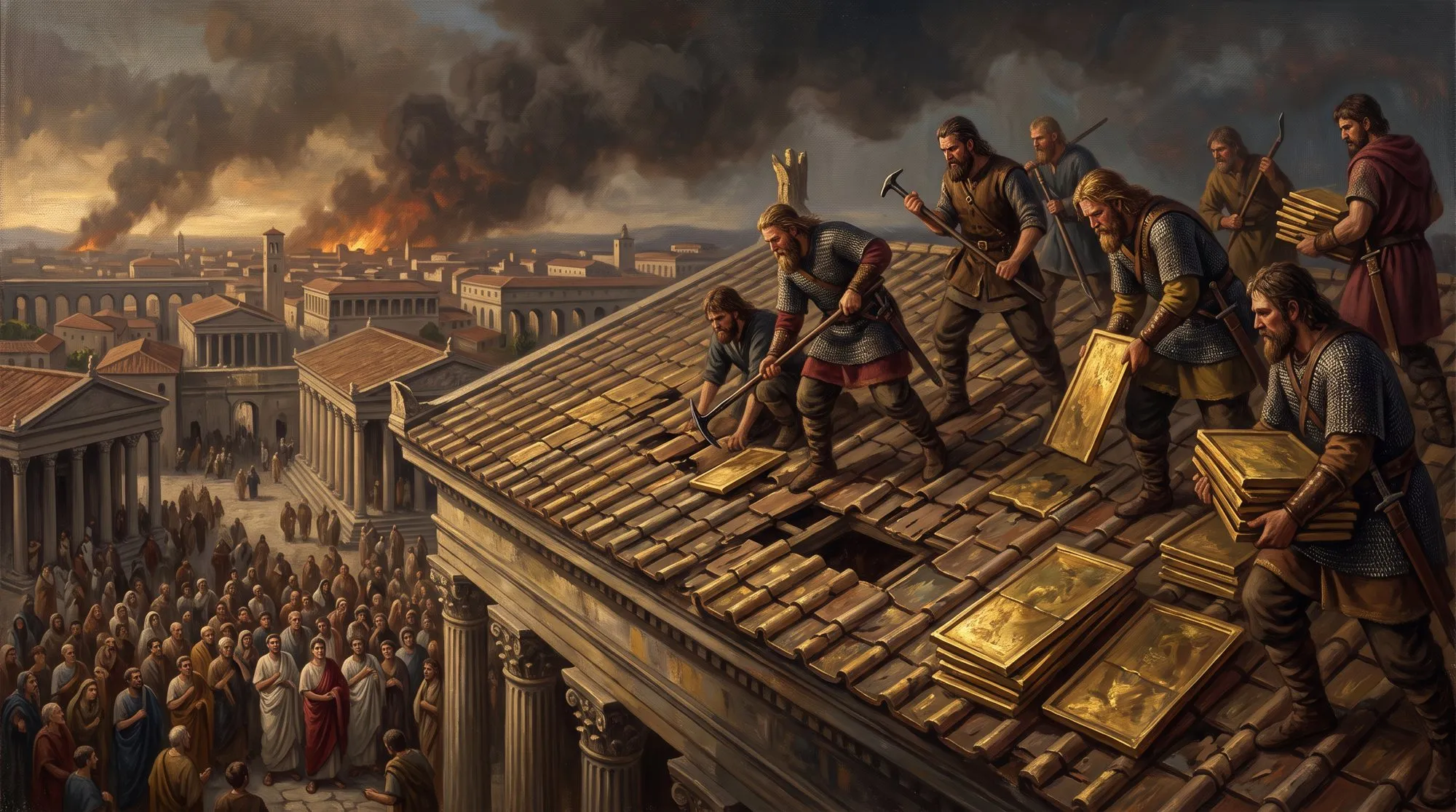 455 AD
By now, real power in the West often sat with army commanders, not emperors. The most powerful, Ricimer, never took the throne. He made emperors, and broke them.
9
Emperors in the West between 455 and 476. Several ruled for only a year or two.
476: what actually ended?
In 475 the general Orestes drove out the emperor Julius Nepos, who fled across the Adriatic to Dalmatia. Orestes put his own son on the throne: Romulus Augustulus. A year later, the army in Italy demanded land, Orestes refused, and the soldiers turned to Odoacer.
But here’s the twist. Odoacer did not make himself emperor.
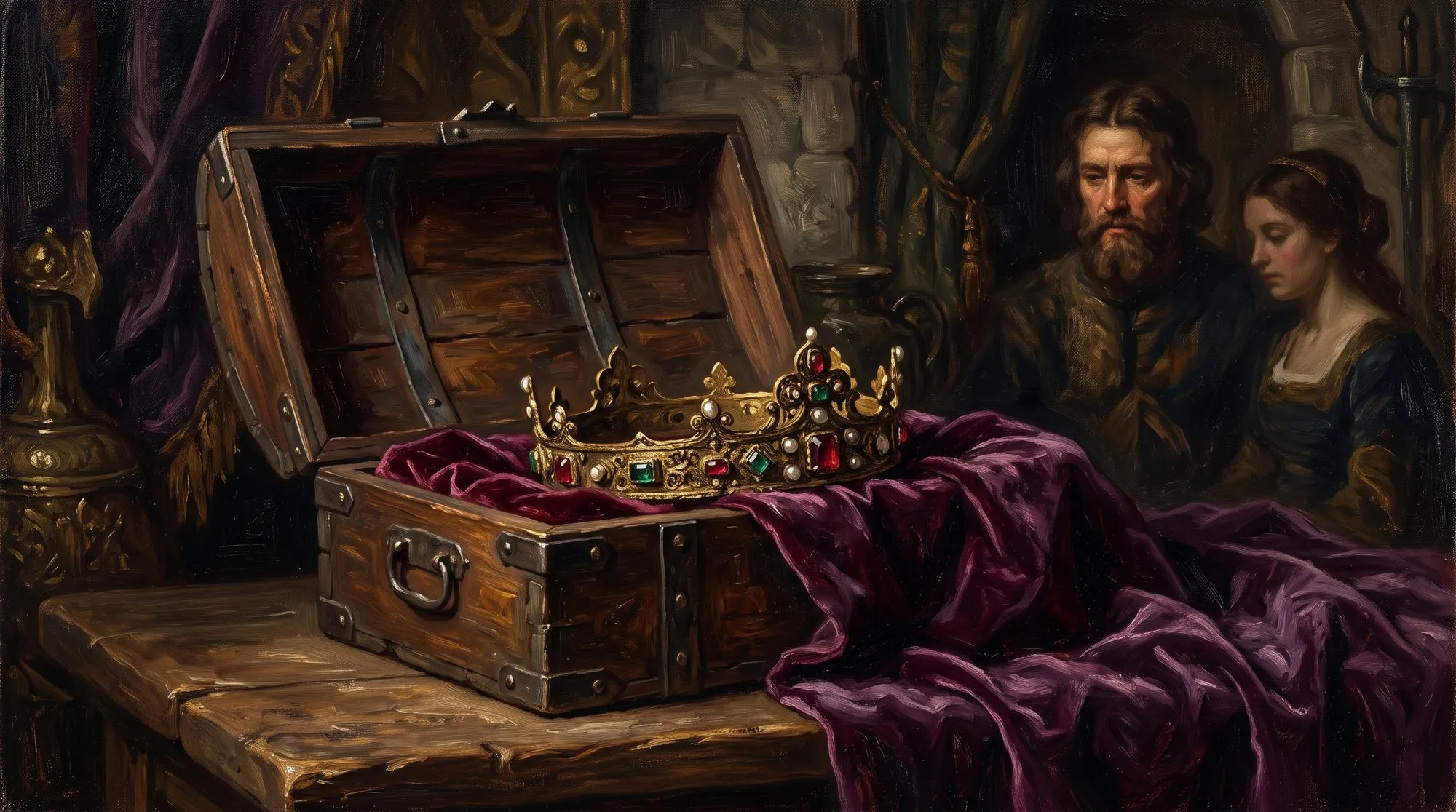 476 AD
A quiet letter, and a box of regalia
Envoys from the Roman Senate travelled to the eastern emperor, Zeno, in Constantinople. They carried the imperial regalia, and a message: one emperor was enough for both East and West.
Zeno’s answer was awkward. The West already had an emperor, he said. Julius Nepos was still alive in Dalmatia. Under Odoacer, gold coins were still struck in Italy in Nepos’s name until 480.
So why do we remember 476? As the historian Brian Croke has shown, the surviving western sources from the time don’t clearly mark it as the end. The earliest definite statement comes from Marcellinus, an official in Constantinople writing around 518, who said the western empire “perished with this Augustulus.” Later writers copied his date. It was a judgement made looking back.
And in the East, nobody thought the empire had fallen at all.
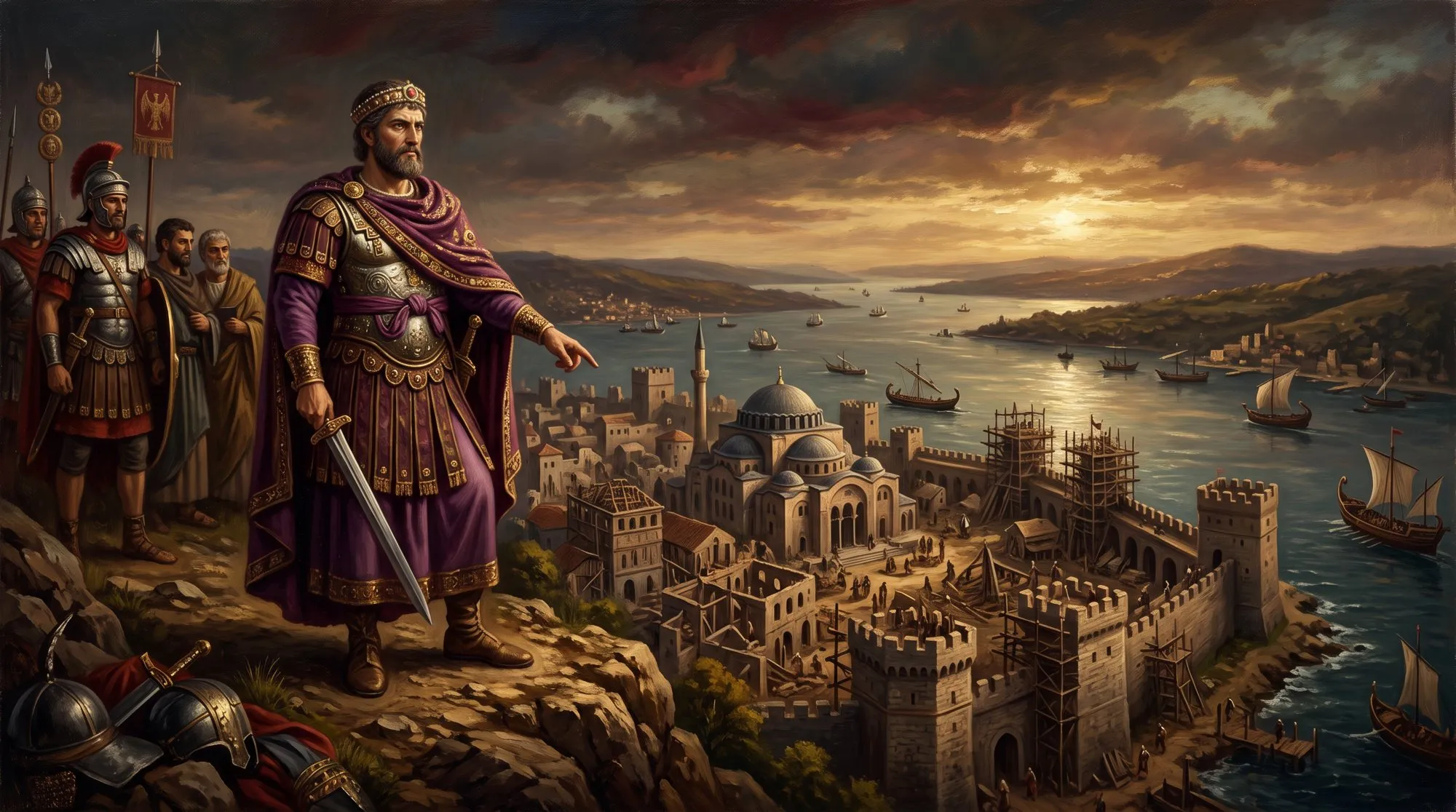
Constantinople, the new Rome.
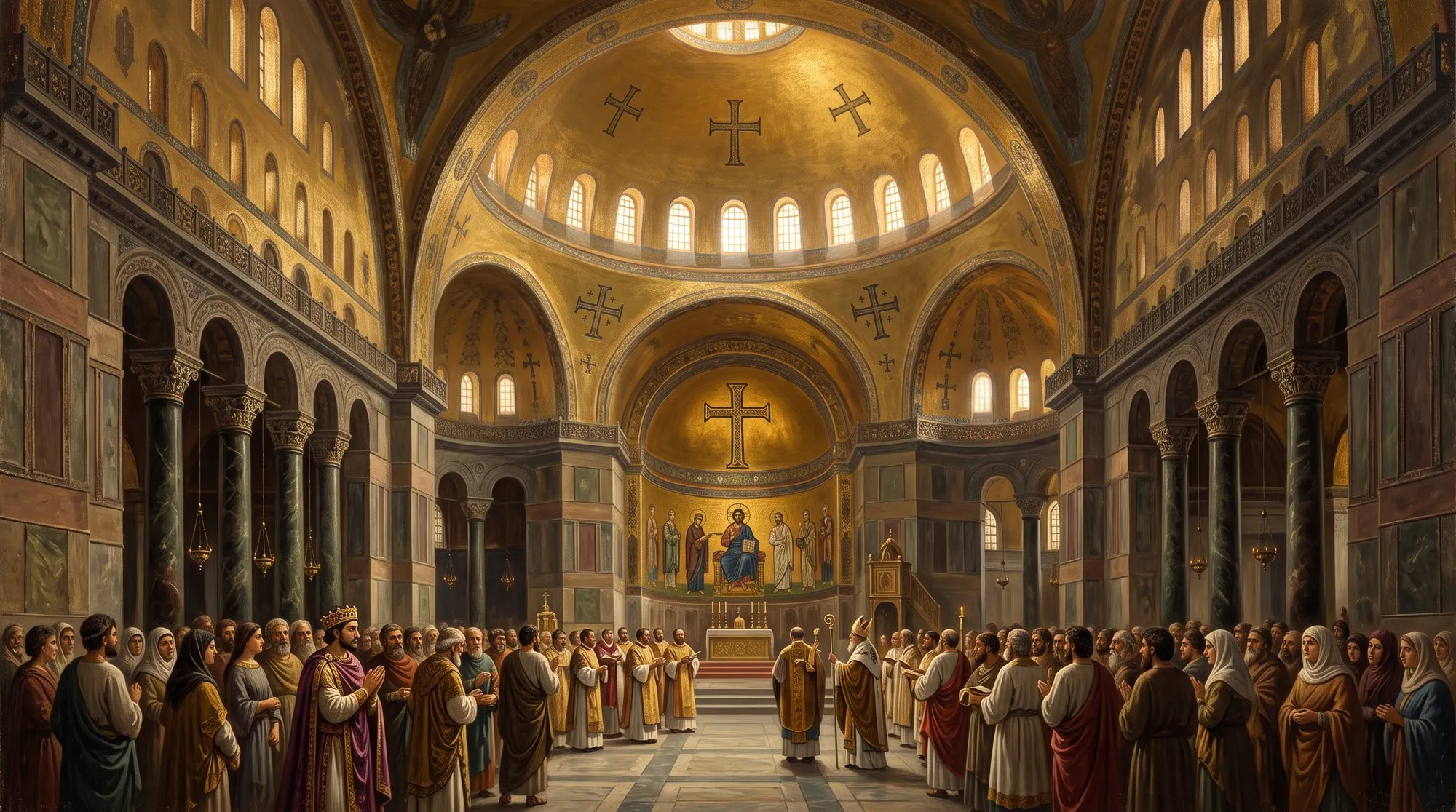
Its emperors kept building.
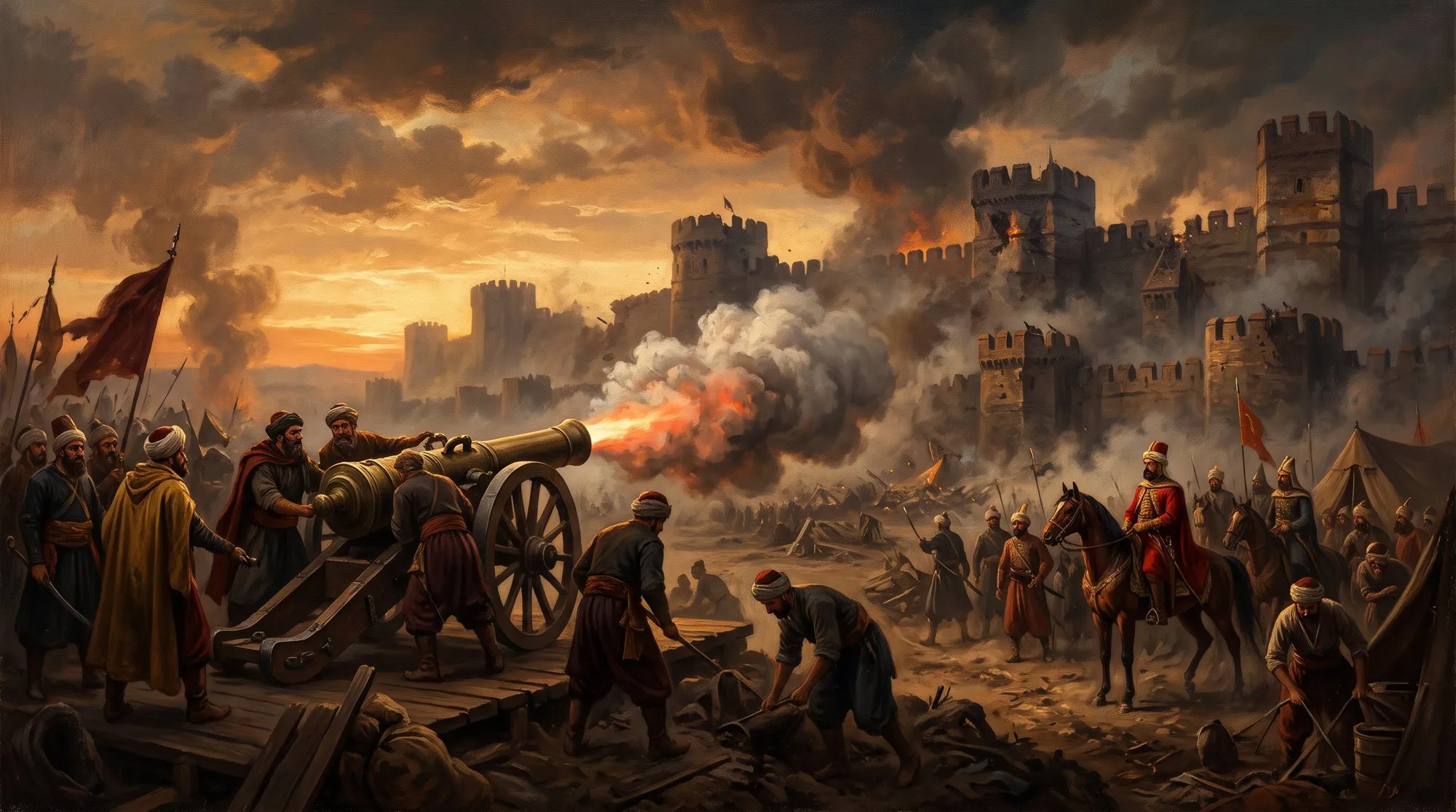
Until the guns of 1453.
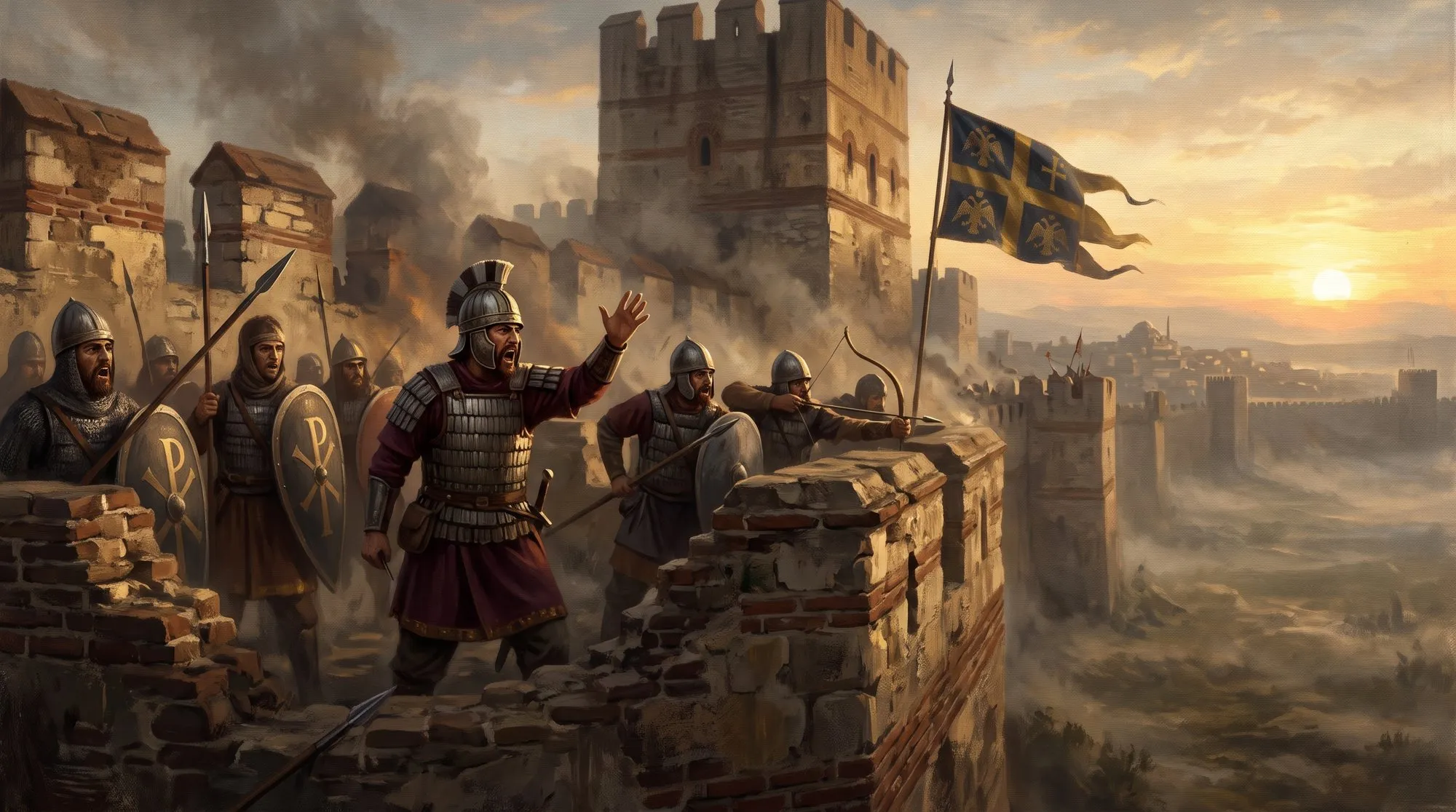 29 May 1453
Rome's last stand
The people of the eastern empire spoke mostly Greek, and they called themselves Romaioi: Romans. “Byzantine” is a label invented by western scholars long after they were gone.
Their empire survived sieges, plague, and even the crusaders who captured Constantinople in 1204; Roman rule returned in 1261. It ended on 29 May 1453, when the Ottoman sultan Mehmed II broke through the walls and the last emperor, Constantine XI, died in the fighting.
How that night unfolded is a story of its own. It’s our next film.
So, when did Rome fall?
It depends on what you mean by “Rome”.
- If you mean the line of western emperors: 476, or 480. That’s the traditional answer, and it marks a real change.
- If you mean the Roman state, with its emperor and its capital: 1453.
- If you mean the Roman world, its law, its Senate, its language and its churches, the honest answer is that it never ended on a single day.
The long goodbye, in dates
235–284Crisis of the third century: twenty-plus emperors in about fifty years.
330Constantinople inaugurated as a new imperial city in the East.
378The Goths destroy a Roman army at Adrianople.
395Theodosius dies; East and West run by two courts.
410Alaric's Goths sack Rome.
439The Vandals take Carthage.
476Odoacer removes Romulus Augustulus.
480Julius Nepos, still recognised in the East, is murdered.
c. 518Marcellinus writes that the western empire 'perished' in 476.
1204–1261Crusaders hold Constantinople; Roman rule returns.
1453Constantinople falls to Mehmed II.
Which date would you choose: 476, 480, 1453, or another? The answer depends on a boy, a box of regalia, and a letter nobody wanted to read. You’ve seen the outline. The film has the voices.
Questions people ask
When did the Western Roman Empire fall?
Most historians use 476 AD, when Odoacer removed Romulus Augustulus in Italy. Some prefer 480, because the exiled emperor Julius Nepos was still recognised by Constantinople, and gold coins were minted in his name in Italy, until he was murdered that year.
When did the Eastern Roman (Byzantine) Empire fall?
On 29 May 1453, when the Ottoman sultan Mehmed II captured Constantinople and the last emperor, Constantine XI, was killed in the fighting. The Morea held out until 1460 and Trebizond, a separate Byzantine state, until 1461.
Who was the last Roman emperor?
In the West, Romulus Augustulus (removed in 476) or Julius Nepos (killed in 480), depending on who you count. In the East, the last emperor was Constantine XI, who died defending Constantinople in 1453.
Why do people say Rome fell in 476?
Largely because of Marcellinus, an official in Constantinople writing around 518. His chronicle is the earliest definite statement that the western empire 'perished' with Augustulus in 476. Later writers took up his date.
Did the Byzantines call themselves Byzantine?
No. They called themselves Romaioi, Romans. 'Byzantine' is a label popularised by western scholars long after the empire had gone.
Sources
Primary sources are ancient claims, not proven fact. Where sources disagree, the story says so.
- Anonymus Valesianus (Excerpta Valesiana), pars posterior, trans. J. C. Rolfe (Loeb), on LacusCurtius
- Brian Croke, "A.D. 476: The Manufacture of a Turning Point", Chiron 13 (1983)
- Ammianus Marcellinus, Res Gestae, Book 31, trans. J. C. Rolfe (Loeb), on LacusCurtius
- Jerome, Letter 127, trans. W. H. Fremantle et al., on New Advent
- Orosius, Seven Books against the Pagans, Book 7, on attalus.org
- Zosimus, New History 5.41, on Livius
- Procopius, History of the Wars, Book III, trans. H. B. Dewing, on Wikisource
- R. Mathisen, "Julius Nepos", De Imperatoribus Romanis (Loyola University Chicago)
- World History Encyclopedia, "Crisis of the Third Century"
- Encyclopaedia Britannica, "Odoacer"
- Encyclopaedia Britannica, "Sack of Rome (410)"
- Encyclopaedia Britannica, "Istanbul: Constantinople"
- The Metropolitan Museum of Art, "Byzantium (ca. 330–1453)"
Keep exploring
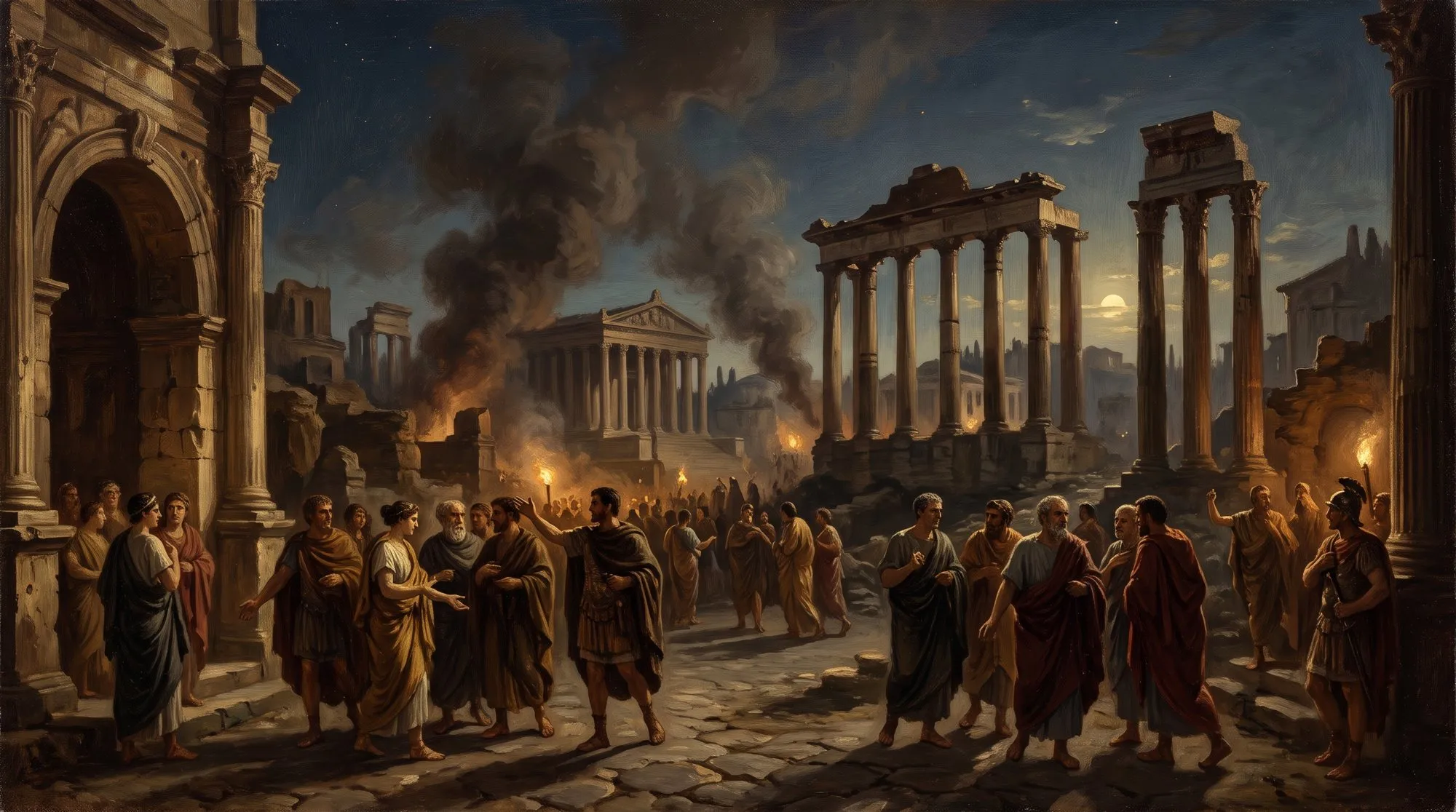
260–1453 ADThe Fall of the Roman Empire in Paintings: 20 Scenes, 260 to 1453
Twenty painted scenes from Rome's long goodbye: a captured emperor, a ransom paid in pepper, a boy spared on a throne, and the last night of Constantinople.
Gallery · Fall of Empires
 235–476 AD
What Led to the Fall of the Roman Empire? 5 Forces That Broke the West
Not one cause but five, working together: unstable rulers, a divided empire, a frontier crisis, lost tax money, and generals who ran the emperors.
Explainer · Fall of Empires