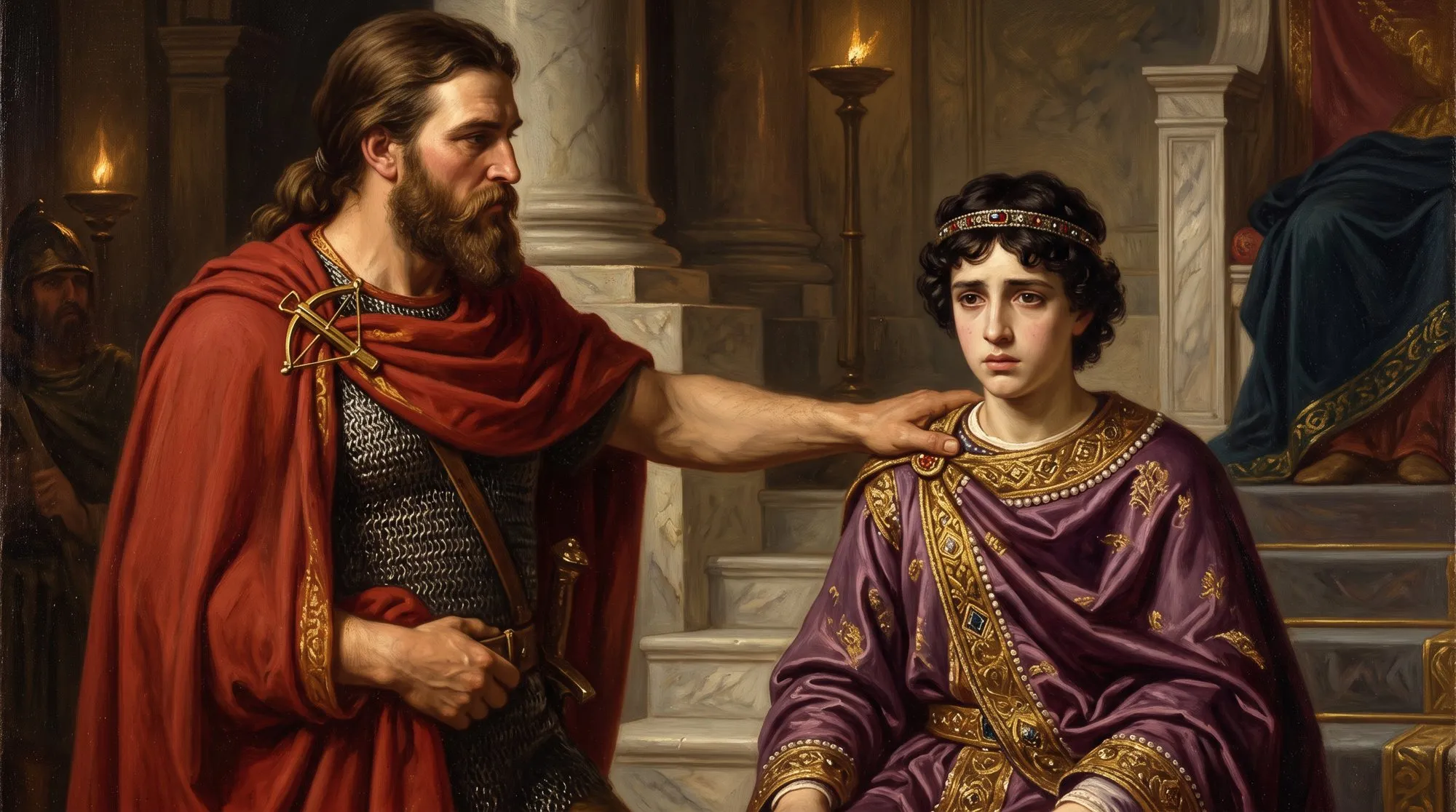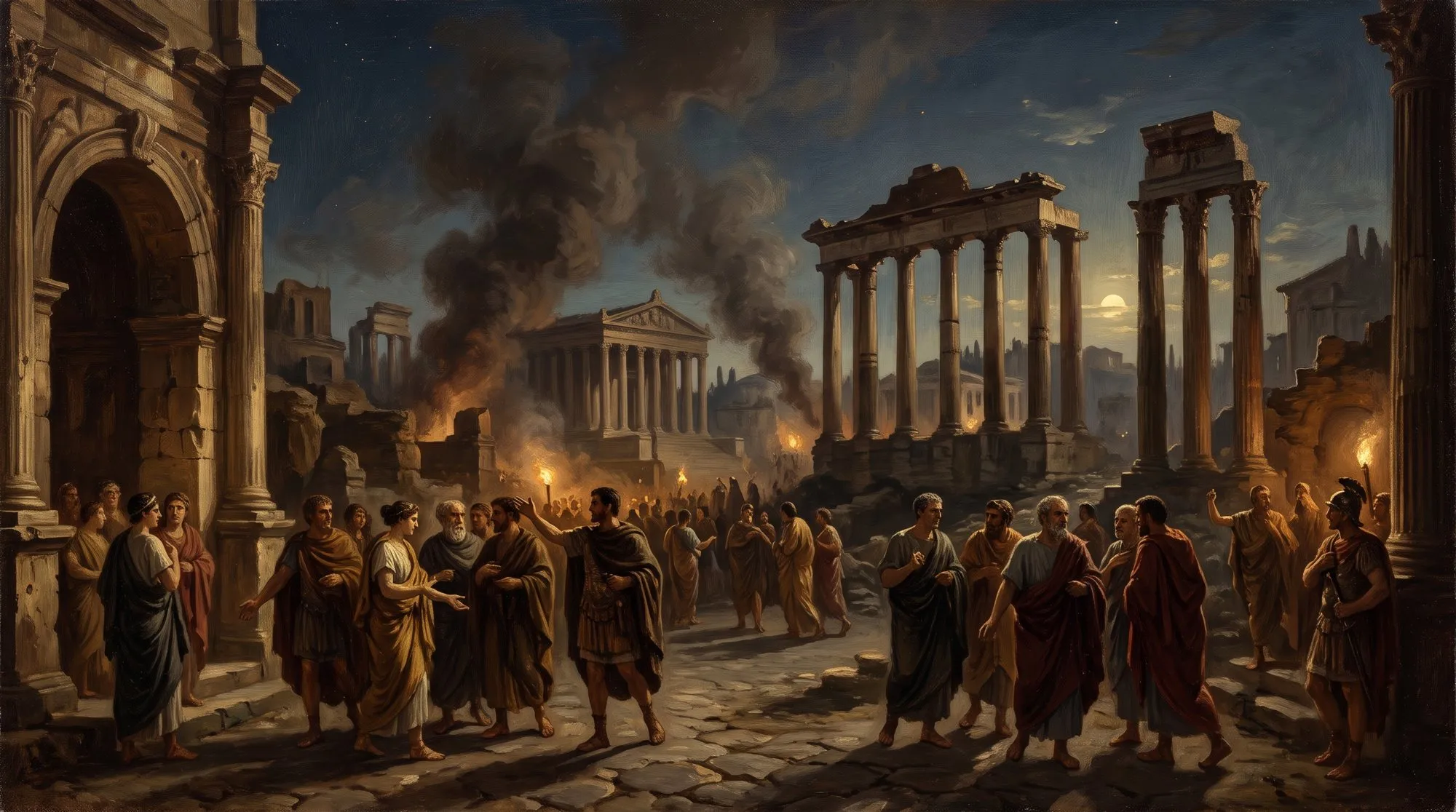
Search “why did Rome fall” and you’ll find lists with dozens of answers. Lead pipes. Decadence. Barbarians at the gates. Some Romans even blamed the new Christian religion, and the bishop Augustine began The City of God partly to answer them.
Historians today tell a different story. Not one cause, but a handful of forces that fed each other, mostly in the western half of the empire. Here are the five that mattered most, in the order they struck.
 235–284 AD
1. The throne kept changing hands
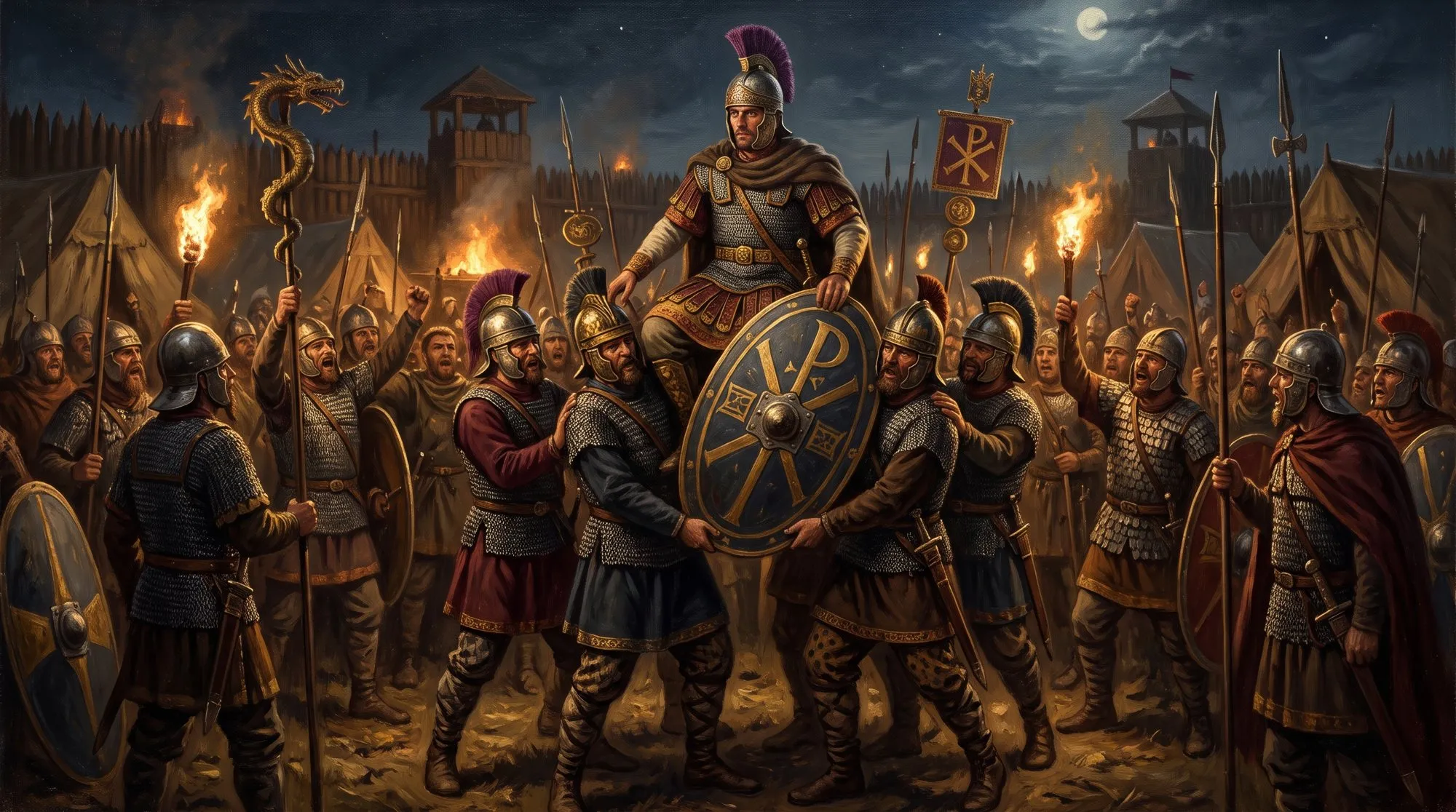
Between 235 and 284, more than twenty men were recognised as emperor in about fifty years. One of them, Valerian, was captured by the Persian king Shapur in 260 and held prisoner for the rest of his life.
By 270 the empire had split into three, with one breakaway state in Gaul and another ruled from Palmyra. Then the emperor Aurelian put the map back together, and by 274 it was whole again.
Rome survived. But the lesson stuck: a throne was only as safe as the army behind it.
The fix for that crisis created the next problem.
 330 AD
2. One empire, two courts
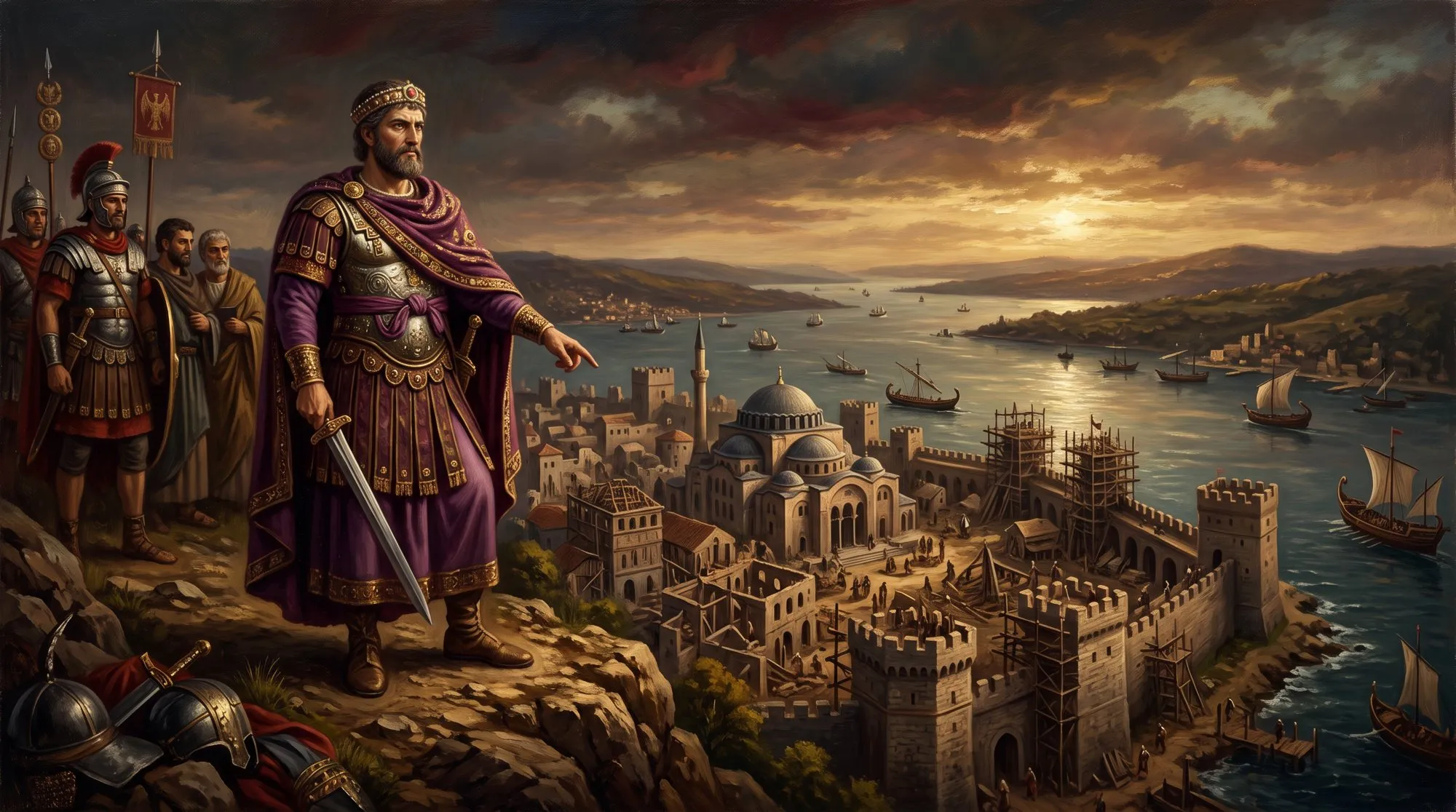
Diocletian decided the empire was too big for one ruler, and by 293 there were four. Constantine then founded a new imperial city in the East: Constantinople, inaugurated in 330.
When Theodosius died in 395, his two sons divided the government. It was still one empire. But the wealthiest provinces were in the East, and from now on each half faced its own enemies.
The West would face more of them. And the first arrived as refugees.
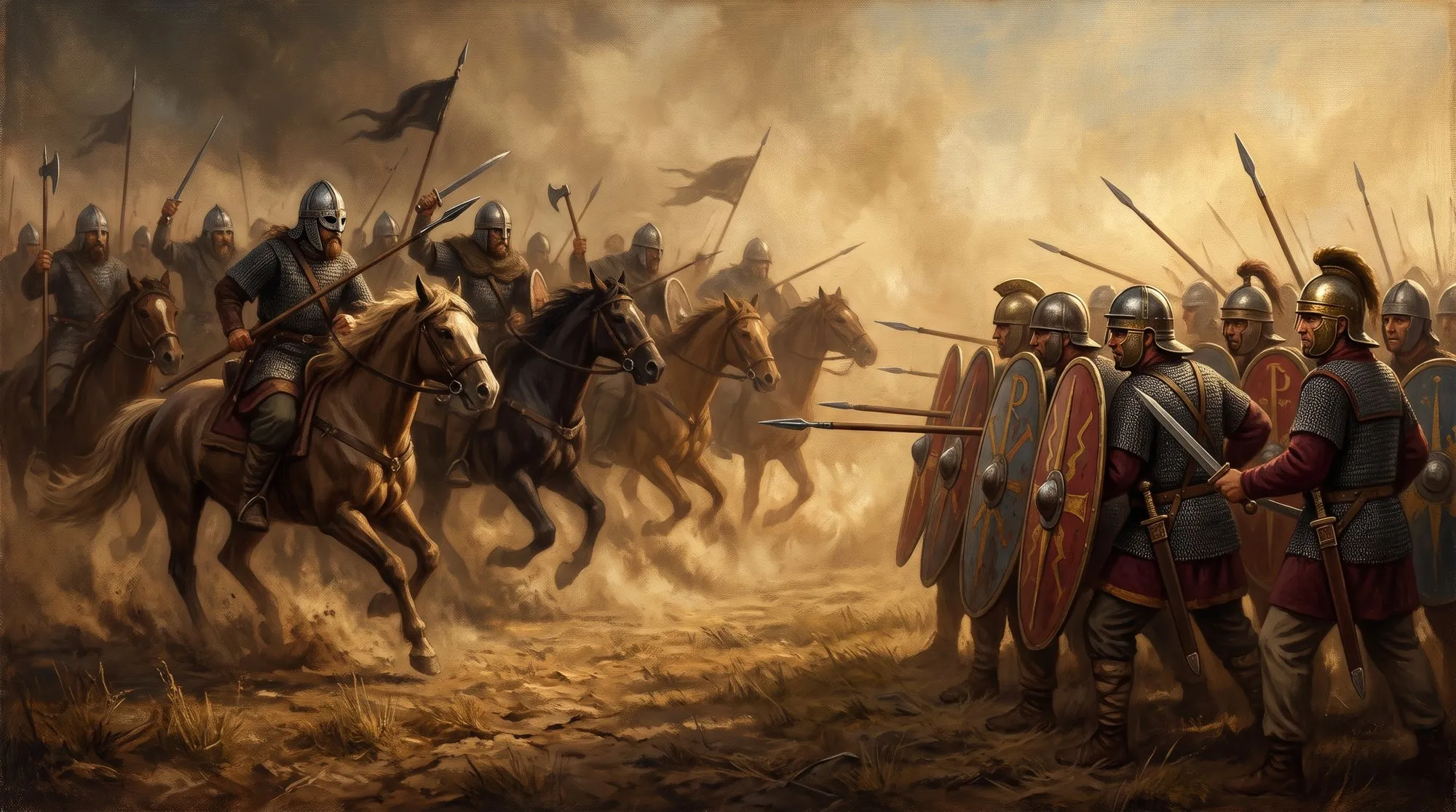 9 August 378
3. A frontier crisis the West never solved
In 376, Goths fleeing the Huns were allowed across the Danube, then exploited by the Roman officers in charge. The historian Ammianus Marcellinus says those officers traded dogs for slaves.
The Goths rebelled. At Adrianople in 378 they destroyed a Roman army and killed the eastern emperor, Valens.
Barely a third part of our army escaped.
Rome couldn’t beat the Goths, so it made deals with them. One Gothic leader, Alaric, wanted a Roman command and a place inside the empire. In 407 the West’s most powerful general, Stilicho, had him appointed a Roman commander. A year later Stilicho was executed on the emperor’s orders, and Alaric’s deal died with him.
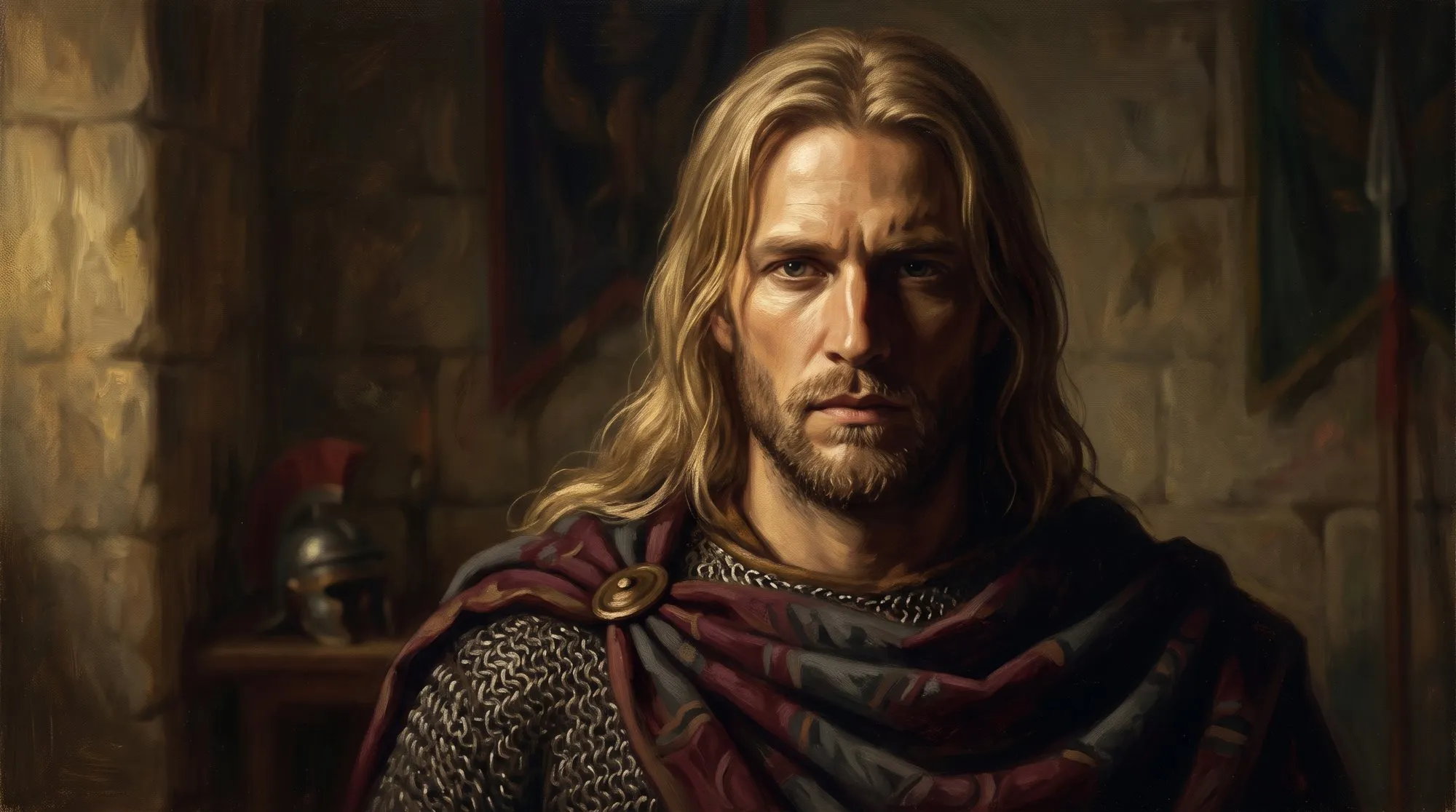
Alaric wanted a place inside the empire.
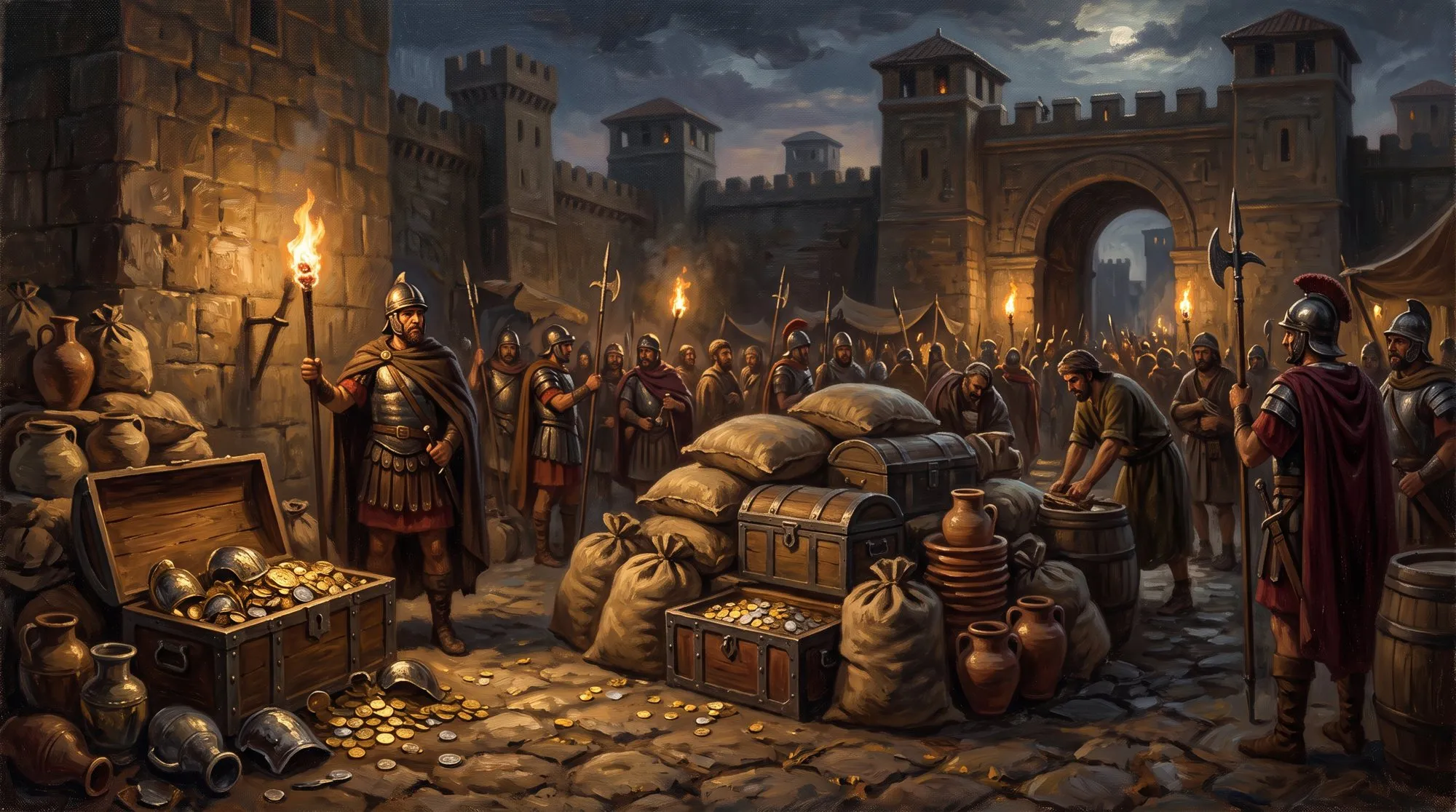
In 408, Rome paid him a ransom.
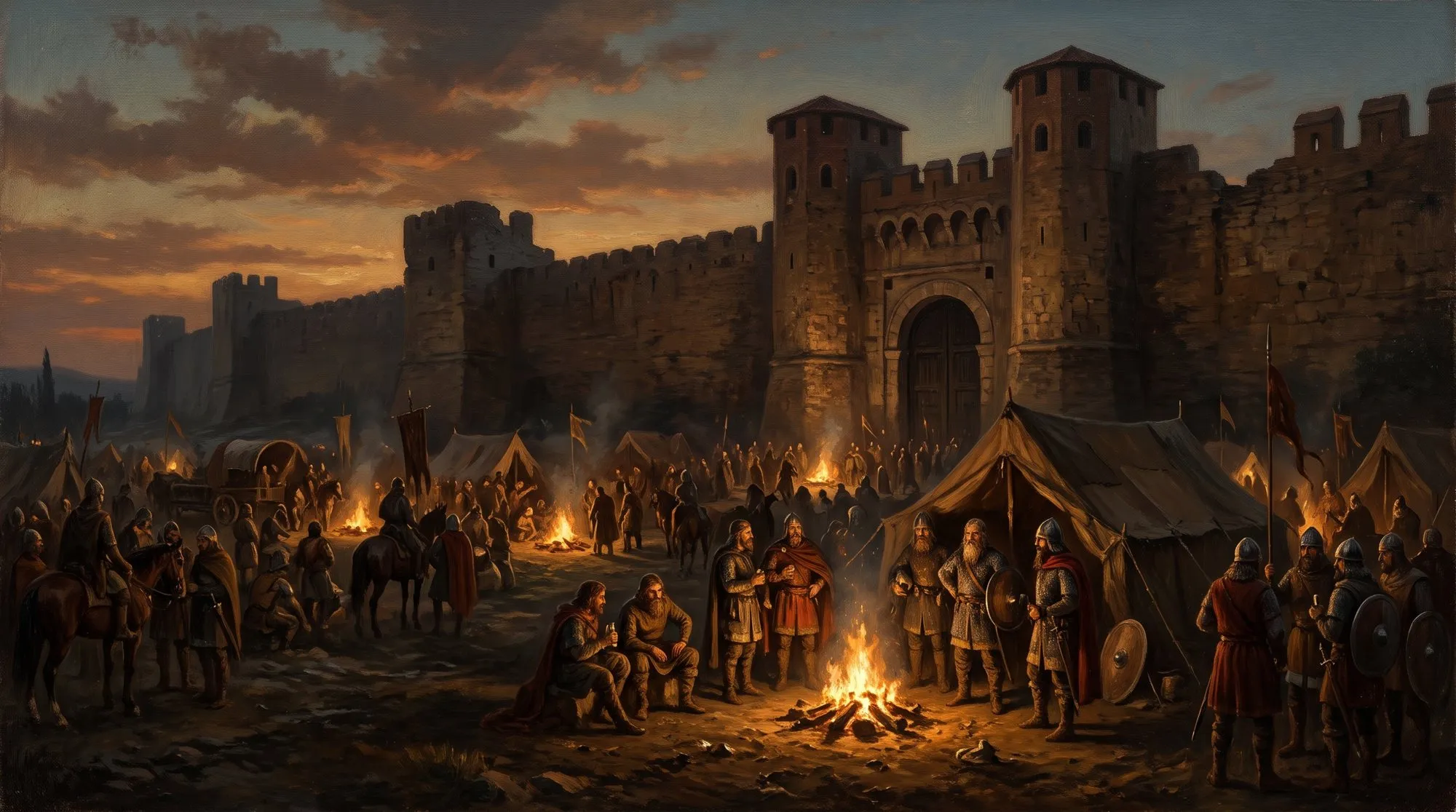
In 410, he took the city anyway.
So Alaric put pressure where it hurt. He blockaded Rome, and according to Zosimus the city paid him five thousand pounds of gold, thirty thousand of silver and three thousand of pepper. The promises made to him were still never kept. On 24 August 410, his men entered Rome.
A sacked city can recover. A lost tax base is harder.
 439 AD
4. The money ran out
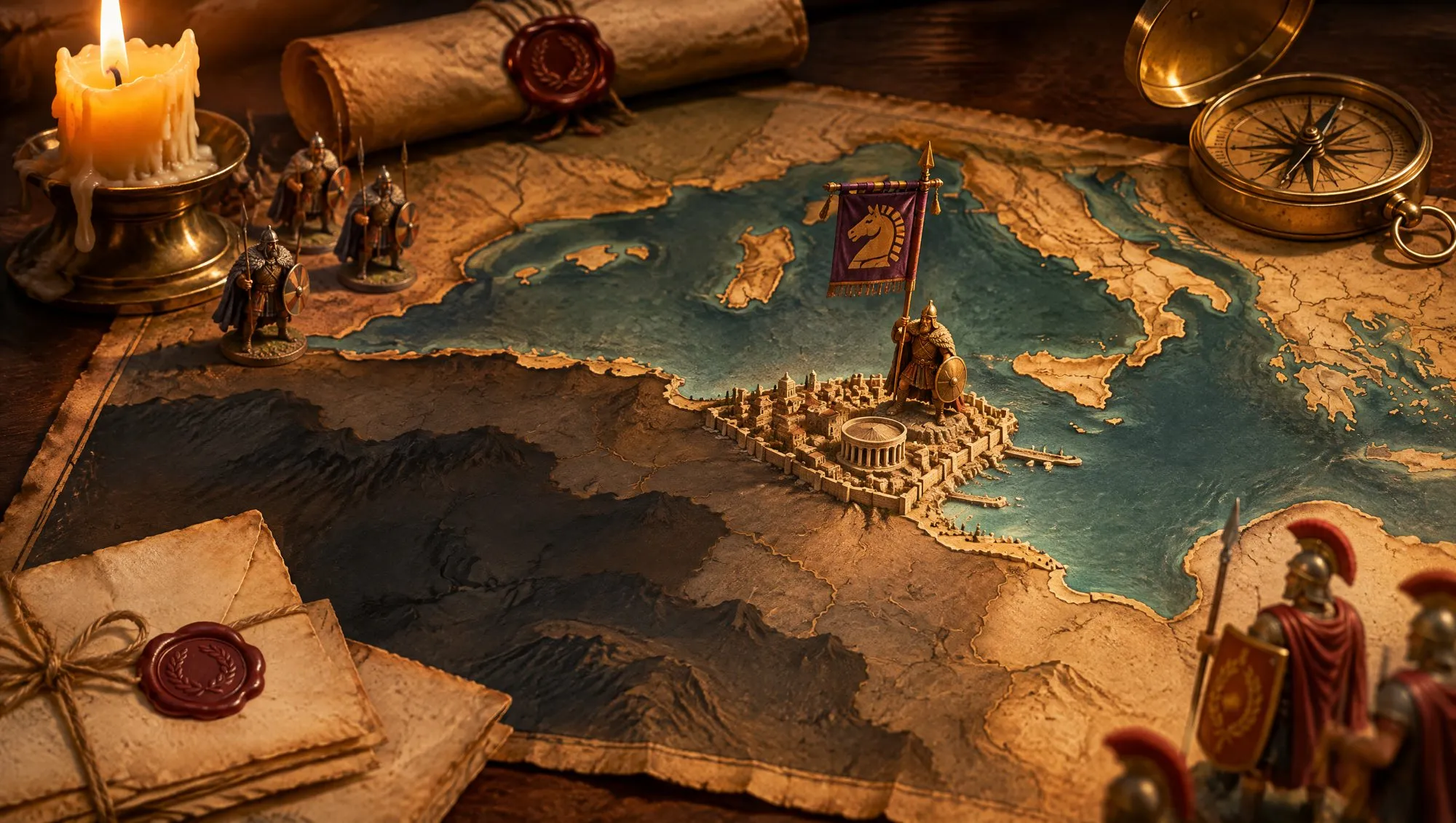
This may be the most important force of all. In the late 420s the Vandals crossed from Spain into North Africa, and in 439 they took Carthage, the greatest city of Roman Africa.
North Africa had been one of the West’s richest sources of tax. The historian Peter Heather argues that as the West lost its tax base, it could no longer put effective armies in the field.
The West could still fight. In 451 a Roman general, Aetius, with Gothic allies, checked Attila the Hun in Gaul. But in 455 the Vandal fleet sailed into Rome itself, and it left with gold, captives and half the bronze roof of the Temple of Jupiter.
And when the money goes, the men with swords take over.
 455–476 AD
5. Generals who made and broke emperors
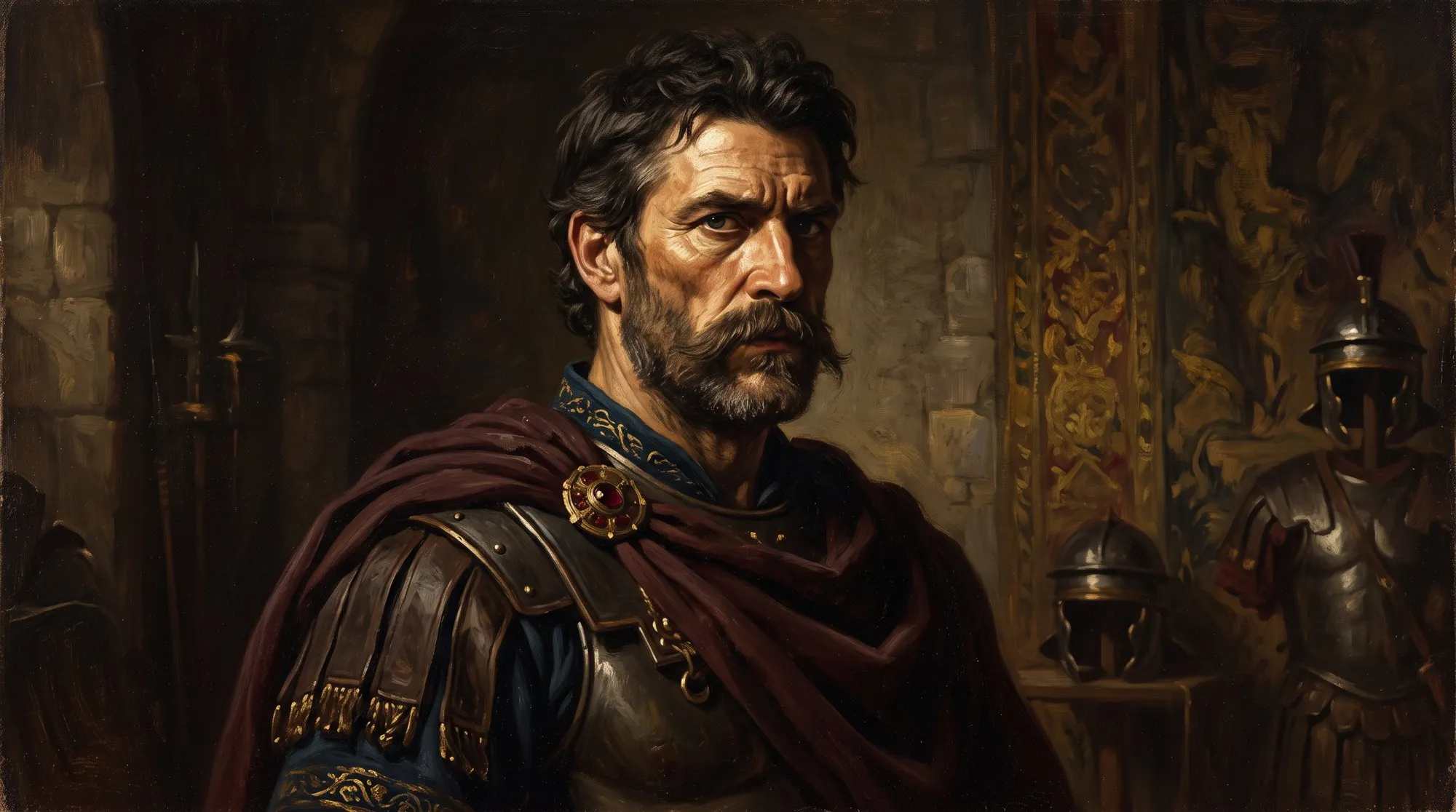
By the mid-fifth century, real power in the West often lay with army commanders, not emperors. The most powerful, Ricimer, was the son of a Suevic chief and a Visigothic princess. He never took the throne himself. He helped make emperors, and helped break them.
In 472 he even besieged Rome, to get rid of an emperor he had helped to choose.
9
Western emperors between 455 and 476. Several ruled for only a year or two.
In 476 the army in Italy demanded land. According to Procopius, they wanted a third of it. When they were refused, they turned to another commander, Odoacer, who removed the last western emperor in Italy, a teenager named Romulus Augustulus. He did not make himself emperor in the boy’s place.
Decline, or transformation?
Here’s where historians still argue.
Peter Brown saw the period as Late Antiquity: an age of cultural transformation, not only decline. Bryan Ward-Perkins answers with archaeology. He argues it shows a startling decline in western living standards, from peasants to kings.
Both can be true at once. A world can change shape and get poorer in the same century.
The part most lists leave out
All five forces hit the West. The eastern Roman Empire, ruled from Constantinople, came through the same centuries and lasted until 1453. Its people called themselves Romans to the very end.
That’s why “when did Rome fall?” has more than one right answer. Our film follows all of them, along with the strange case of the year 476: a boy who was allowed to live, a box of regalia, and an emperor who was still on the coins four years later. It’s waiting for you at the bottom of this page.
Questions people ask
What were the main reasons for the fall of the Roman Empire?
In the West, the main forces were political instability, the split between eastern and western courts, the Gothic crisis after 376, the loss of North Africa's tax revenue to the Vandals in 439, and army commanders who controlled the emperors. The eastern empire survived until 1453.
Did Christianity cause the fall of Rome?
Some Romans blamed the new faith after the sack of 410. Augustine wrote The City of God partly to answer them. Modern historians don't treat Christianity as the cause, and the Christian eastern empire lasted another thousand years.
How long did the fall of the Roman Empire take?
The western empire came apart over most of the fifth century, from the Gothic crisis of the 370s to the removal of the last western emperor in 476. The Roman state in the East lasted until 1453.
Was the fall of Rome a decline or a transformation?
Both views have serious defenders. Peter Brown saw Late Antiquity as an age of cultural transformation, not only decline. Bryan Ward-Perkins argues that archaeology shows a startling drop in western living standards, from peasants to kings.
Sources
Primary sources are ancient claims, not proven fact. Where sources disagree, the story says so.
- World History Encyclopedia, "Crisis of the Third Century"
- Encyclopaedia Britannica, "ancient Rome: Diocletian"
- Ammianus Marcellinus, Res Gestae, Book 31, trans. J. C. Rolfe (Loeb), on LacusCurtius
- J. B. Bury, History of the Later Roman Empire (1923), vol. I ch. VI, on LacusCurtius
- World History Encyclopedia, "Stilicho"
- World History Encyclopedia, article 1331 (M. Goodyear, 2019), on Roman North Africa
- Peter Heather, "Empire and development: the fall of the Roman West", History & Policy
- Encyclopaedia Britannica, "Ricimer"
- Augustine, The City of God, trans. Marcus Dods, on New Advent
- Bryan Ward-Perkins, The Fall of Rome and the End of Civilization (OUP), author's excerpt on the OUP blog
- Peter Brown, The World of Late Antiquity AD 150–750 (Thames & Hudson)
- Zosimus, New History 5.41, on Livius
- Procopius, History of the Wars, Book III, trans. H. B. Dewing, on Wikisource
Keep exploring
 260–1453 AD
The Fall of the Roman Empire in Paintings: 20 Scenes, 260 to 1453
Twenty painted scenes from Rome's long goodbye: a captured emperor, a ransom paid in pepper, a boy spared on a throne, and the last night of Constantinople.
Gallery · Fall of Empires
 Italy · 476 AD
When Did the Roman Empire Fall? It Wasn't Just 476
The textbook says 476 AD. But an emperor was still on the coins until 480, and Romans ruled from Constantinople until 1453. Here's the real story.
Film story · Fall of Empires